
[menu]

Громадський простір в центрі Києва

де молодь, активісти та місцеві ініціативи зростають, об’єднуються і діють задля добробуту людства і планети

Author: Iryna Startseva

  • GreenRoots Hub: A Place Where Local Initiatives Take Root

    GreenRoots Hub: A Place Where Local Initiatives Take Root

    GreenRoots Hub: A Place Where Local Initiatives Take Root

    The German organisation Austausch e.V. has opened the GreenRoots Hub in Dnipro so that communities in frontline regions can restore their environment themselves. Here is how it works and what the first ten teams have already accomplished.
    GreenRoots Hub
    GreenRoots Hub

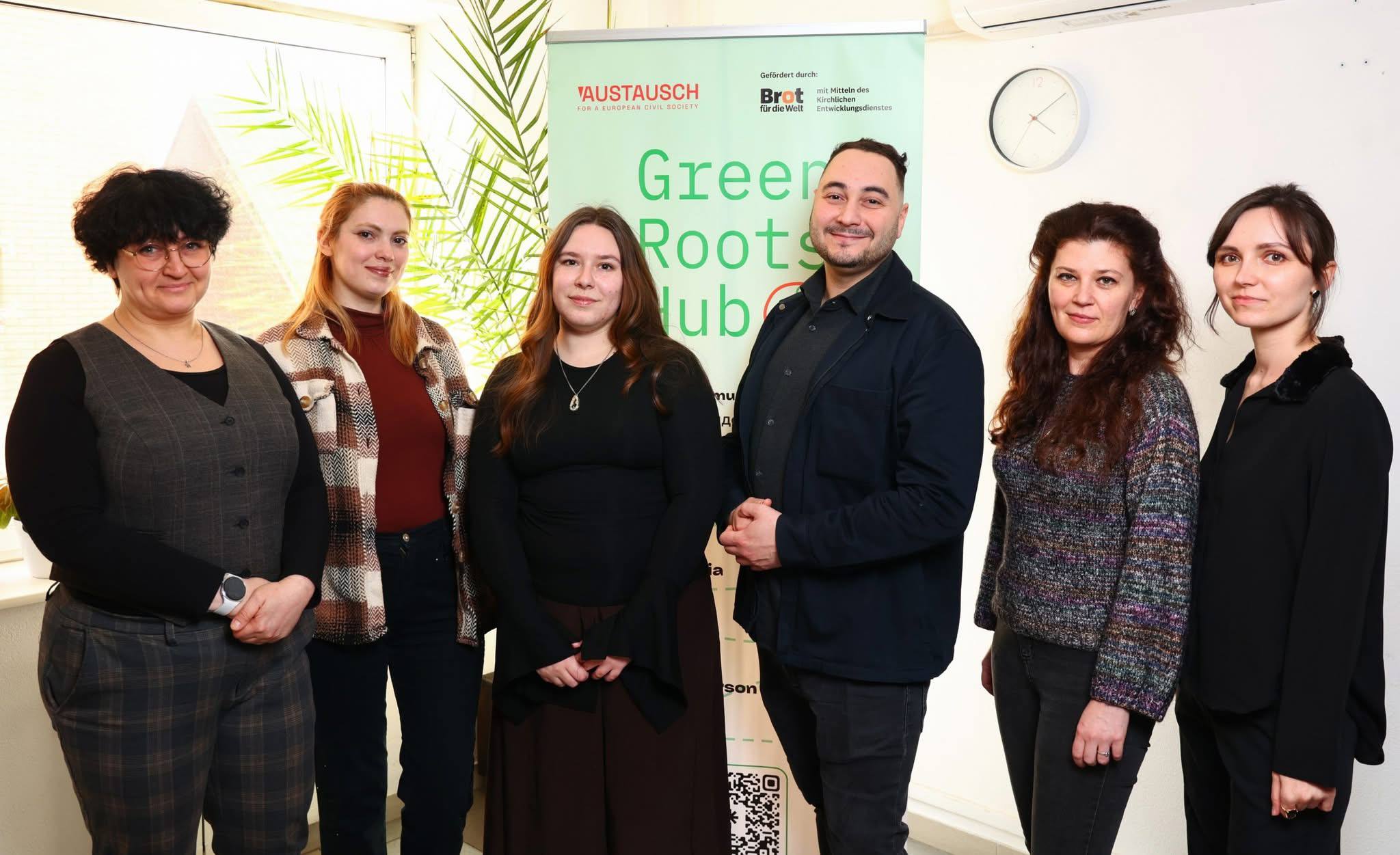
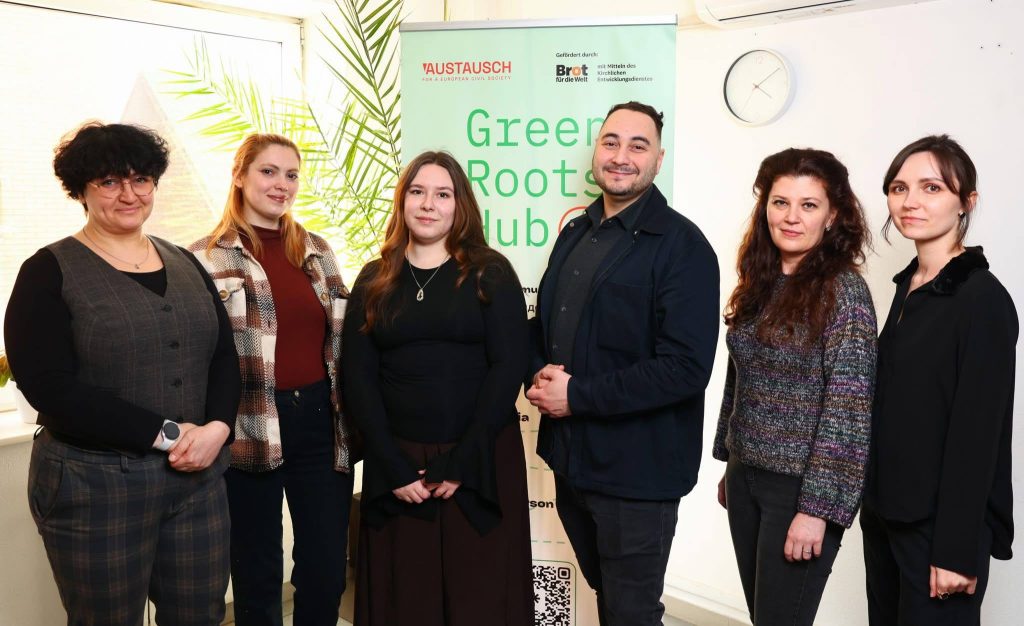
    The charitable organisation “GREENROOTSHUB – LOCAL INITIATIVES DEVELOPMENT” was established by the German civil society organisation Austausch e.V. with the support of the German charitable organisation Brot für die Welt. Our physical space in Dnipro hosts partner meetings, lectures, and workshops. You can hold your own event here free of charge — and we will help with the organisation. The Hub is open for educational, cultural, environmental, and community events in any format: lectures, trainings, workshops, film screenings, book clubs, networking sessions, strategic sessions, presentations, and creative gatherings.

    The Hub’s first major project is the Resilient Roots sub-grant competition:

    • 91 applications from civil society organisations and initiatives
    • 6 frontline oblasts: Dnipropetrovsk, Kharkiv, Zaporizhzhia, Kherson, Mykolaiv, and Odesa
    • 10 winners selected by an independent commission involving Austausch e.V., NGO Ecodia, and NGO EcoClub Rivne

    The projects operate across five areas: water resource restoration, access to clean water, green space restoration, soil remediation, and composting. Below are all ten, grouped by theme.

    Land After Explosions and Oil

    Restoring the Contaminated Ecosystem of Kharkiv’s Nemyshlianskyi District
    Kharkiv, NGO “e-Dialogue”

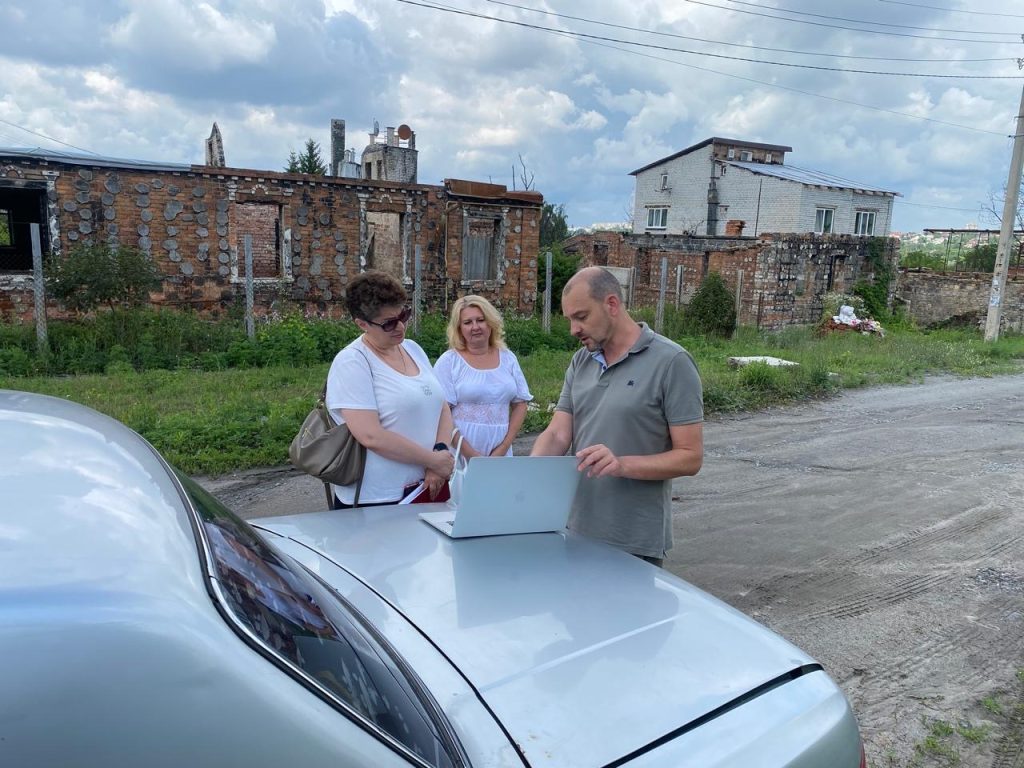
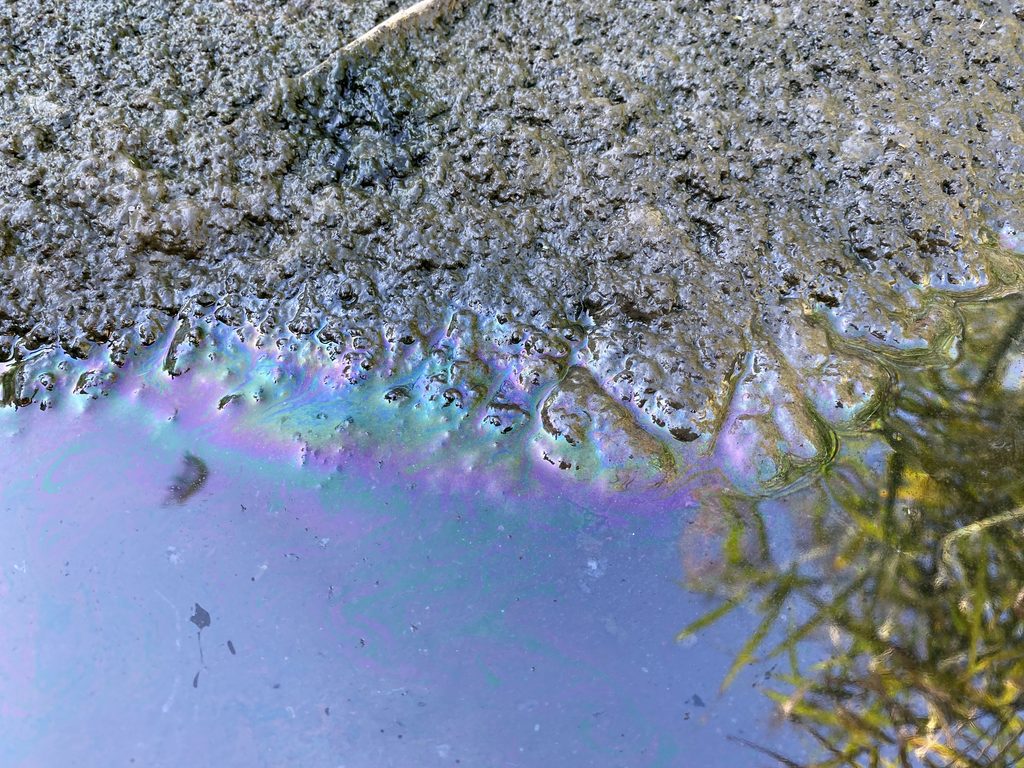
    Following an attack on an oil depot in 2024, approximately 800 tonnes of petroleum products entered the soils of a residential neighbourhood. The team is piloting an approach to soil remediation and ecosystem restoration in the district.

    What has already been done: 10 households were surveyed to understand how residents use contaminated soils and water sources. Based on this data and existing environmental research, the team identified which threats pose a genuine risk to people and the environment.
    Living Steppes — Resilient Communities: Post-War Restoration of Pastures and Meadows
    Kherson and Odesa oblasts, NGO “Rewilding Ukraine”

    The team is developing a methodology for the accelerated restoration of war-damaged steppe: local hay with seeds, sod transplantation, and reseeding of steppe species. Results will be compared with naturally recovering plots to produce a simple model that can be replicated on other affected territories. Restored steppe on degraded arable land more quickly returns fertility, structure, and the capacity for self-regeneration to the soil.

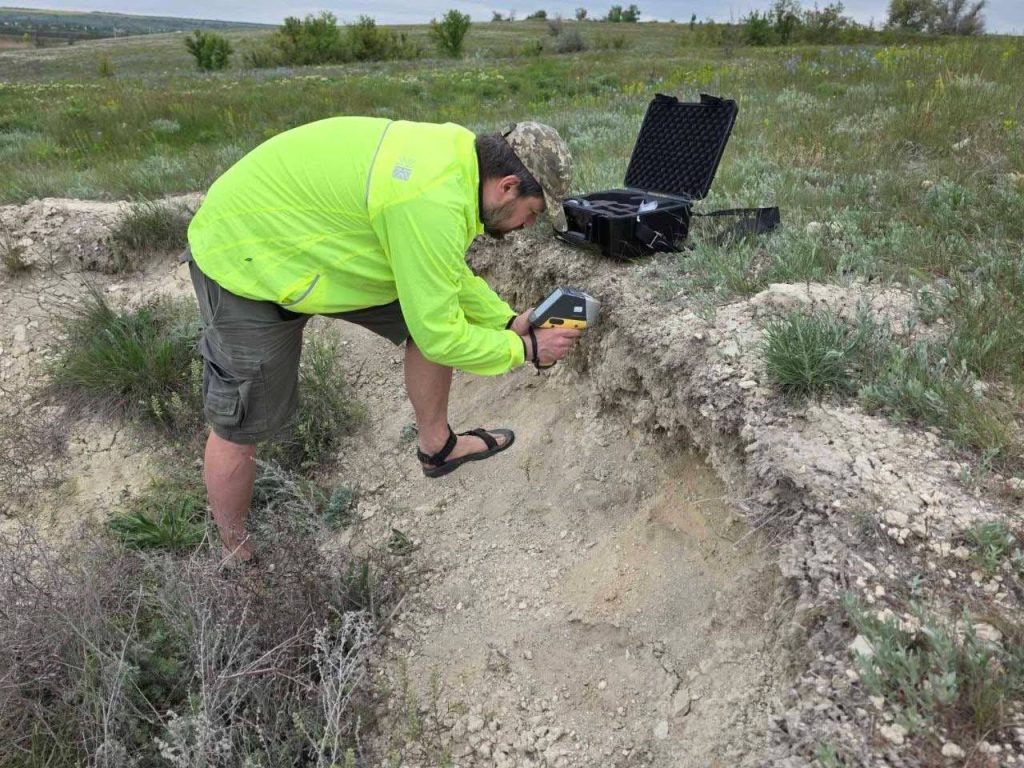
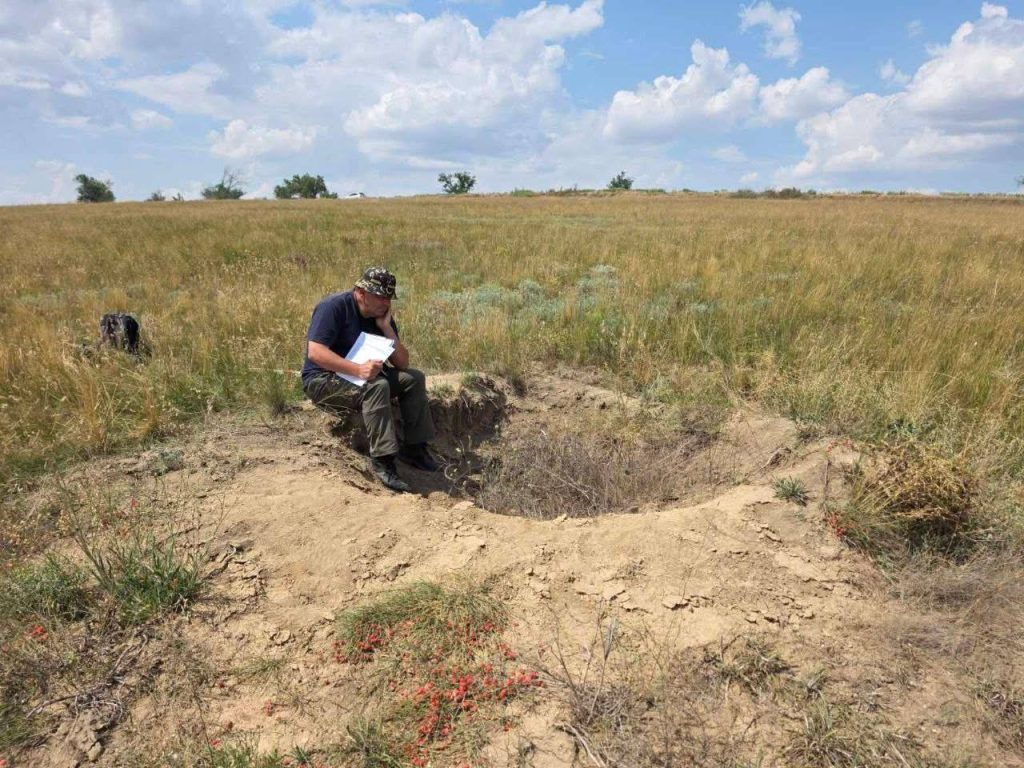
    What has already been done: four field expeditions to de-occupied territories of Kherson and Mykolaiv oblasts and to the former Tarutyne military training ground in Odesa oblast. Researchers examined 5 caponiers and 24 blast craters, produced 141 geobotanical descriptions, and tested soils with a portable X-ray fluorescence analyser for heavy metals and toxic elements. Based on this data, the sites from which restoration will begin have been identified.
    Ecological Restoration of Vilniansk District: Regenerative Practices for Household and Women’s Resilience
    Vilniansk community, Zaporizhzhia oblast, NGO “Gender Creative Space”

    The project trains families in regenerative farming — vermicomposting, green manure crops, and phytoremediation. Special attention is paid to greenhouse farms and IDP families.

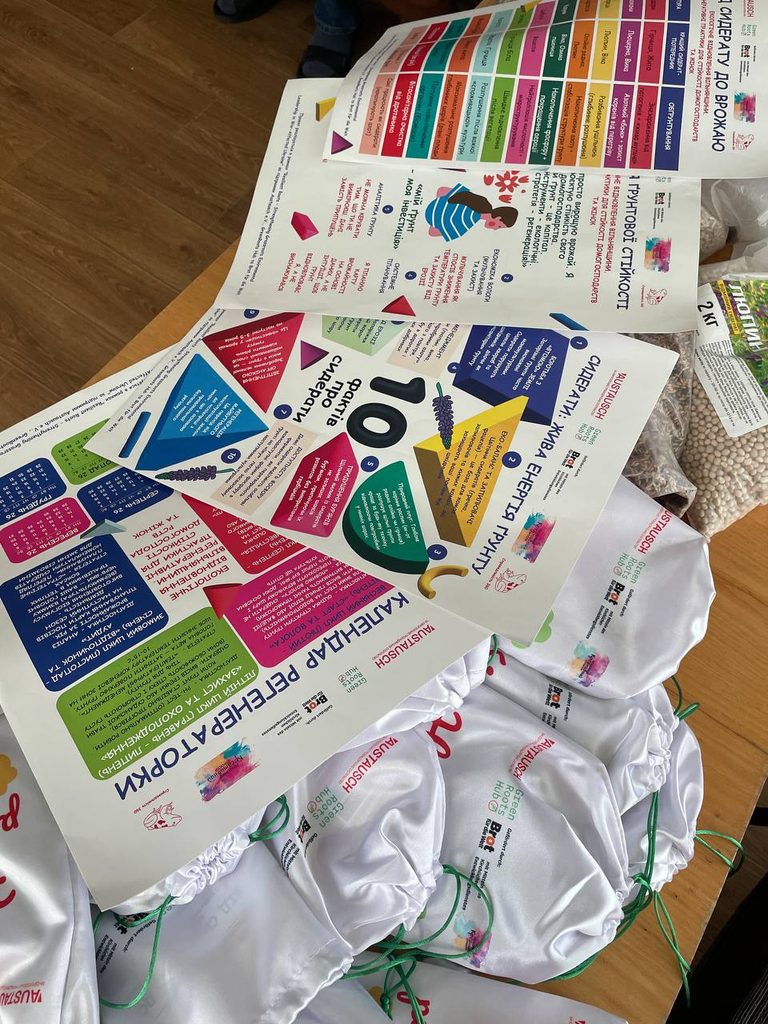
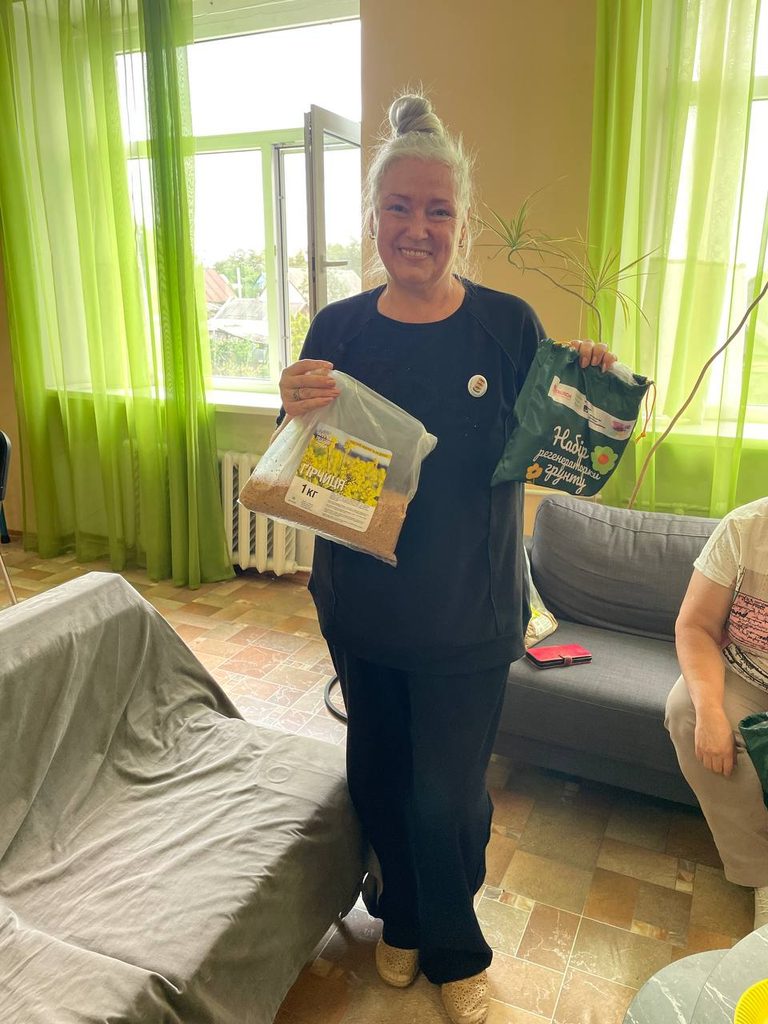
    What has already been done: rapid soil diagnostics in over 200 women-led households, including IDP greenhouses. Over 150 families received individual consultations on how to maintain soil fertility. Over 200 kg of green manure seeds — plants that naturally purify and loosen soil — were transferred to the community, and more than 3 hectares have been sown. Over 100 households are growing hyperaccumulator plants that extract heavy metals from the topsoil. 25 families received Californian worms for biohumus production, and over 30 received Fokine flat-cutters for tillage without ploughing. A series of training sessions on vermicomposting and regenerative practices was held for local women.
    Water: From Wells to Estuaries

    Clean Water — A Healthy Future
    Nova Odesa, Mykolaiv oblast, NGO “Chimeras of the Wild Steppe”

    Inventory of local water sources, water quality monitoring, management of natural springs and wells, and education on safe water use.

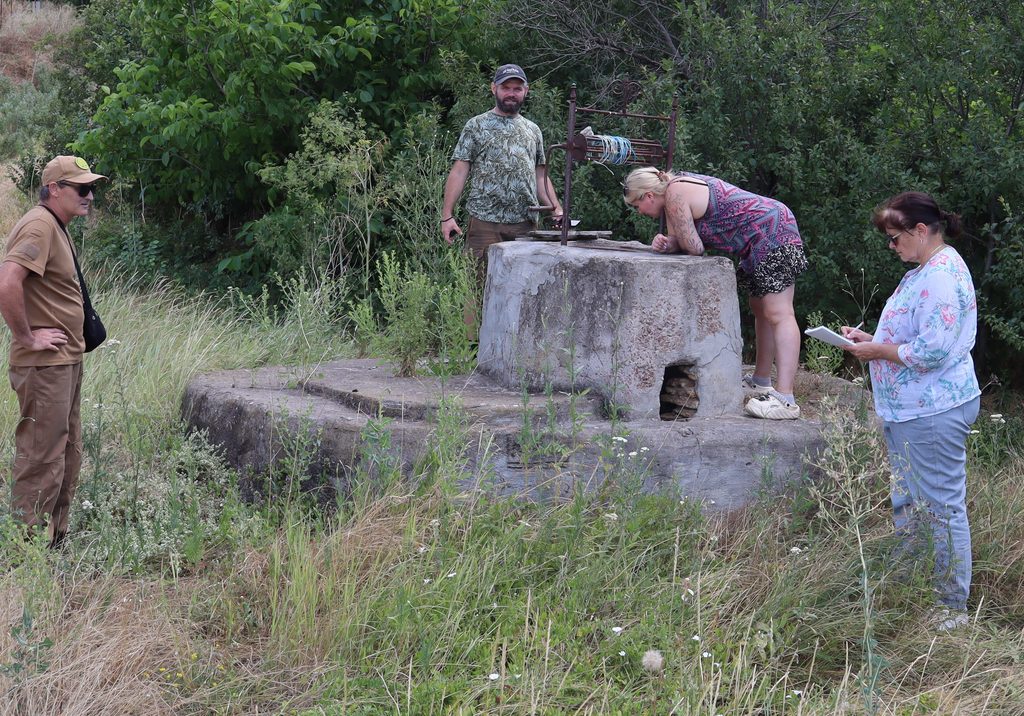
    What has already been done: together with local activists, the team examined over 50 springs, historic wells, and boreholes and collected 50 water samples for analysis. Thanks to the activists, more residents learned about the project, and more people now want to protect their water.
    NGO Chimeras of the Wild Steppe
    NGO Chimeras of the Wild Steppe

    LIMAN REEF: Restoring Estuary Ecosystems Through Nature-Based Solutions
    Koblivska, Berezanska, and Chornomorska communities, Mykolaiv oblast, NGO “Kinburn”

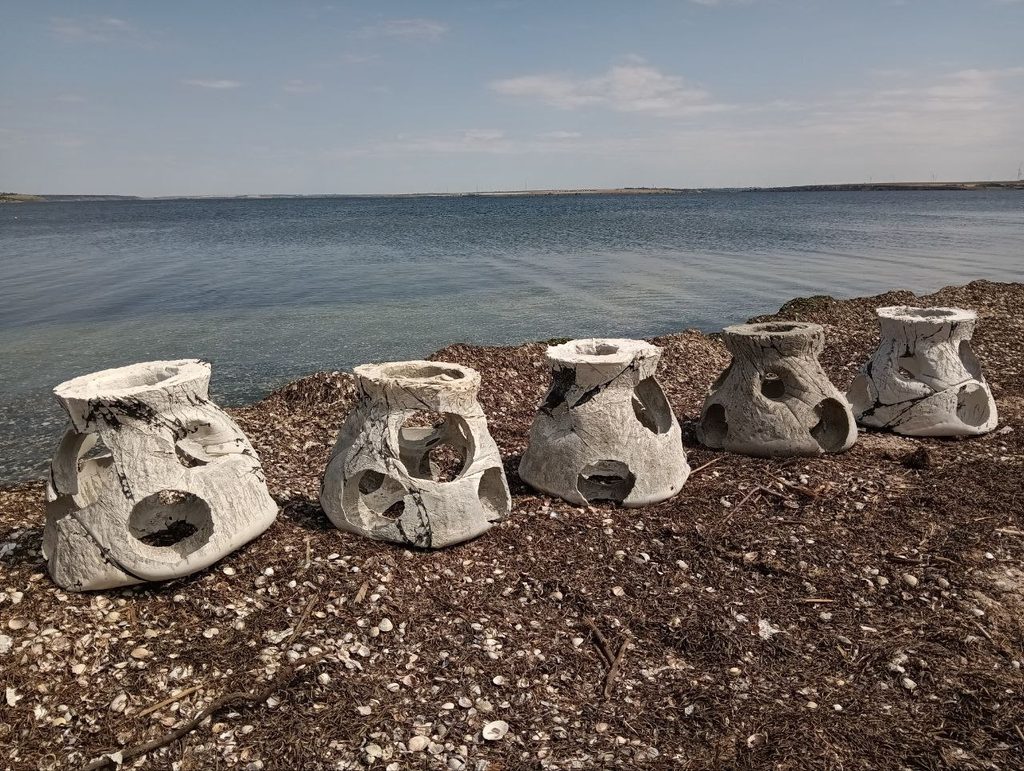
    Artificial reefs are being installed in the estuaries. Biofiltration organisms will settle on them, purifying the water, restoring biodiversity, and launching the natural self-purification of the water bodies.
    LIMAN REEF

    Green Protection and Spaces for Recovery

    Recovery Space: Lavender Labyrinth
    Zaporizhzhia, NGO “I Have the Right to Breathe”

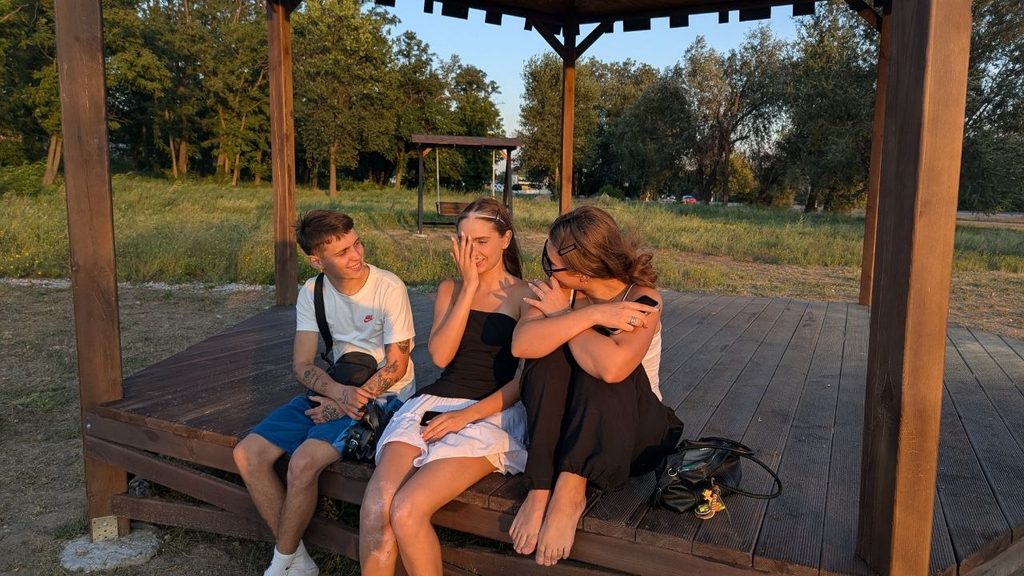
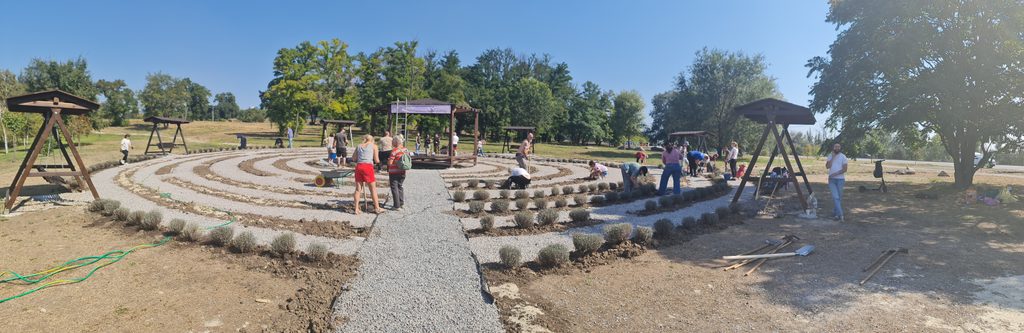
    A lavender labyrinth has appeared in Veselka Park: 1,100 bushes across 800 m². About fifty city residents came to plant them. The labyrinth is at once an ecological solution for the city and a quiet place where residents, veterans, and displaced persons can restore their strength.
    Emerald Barrier: Restoring the Shelterbelts of the Tuzlivski Estuaries
    Lymanska community, Odesa oblast, NGO “Blue Wave”

    1,500 trees and 2,000 shrubs planted along the boundaries of the Tuzlivski Estuaries National Nature Park will protect the fields from erosion, preserve soil fertility, and prevent the illegal ploughing of the protected steppe.

    Waste as a Resource

    Kherson’s Eco-Resilience: Decentralised Bio-Waste Management
    Kherson, NGO “Ecological News”

    250 households will compost organic waste at home, and a shared composter will be set up for the community. This means less waste at the landfill, lower methane emissions, and reduced risks for municipal workers operating under shelling. The project is a pilot test of the Local Waste Management Plan’s solutions. Partners: Kherson City Territorial Community, Municipal Enterprise “Parky Khersona”, Municipal Enterprise “Ecopoliс”, district committees, HOAs, suppliers, and logistics providers.
    Living Soil: Composting Instead of Burning
    Kryve Ozero, Mykolaiv oblast, NGO “Kryvozerska Development Platform”

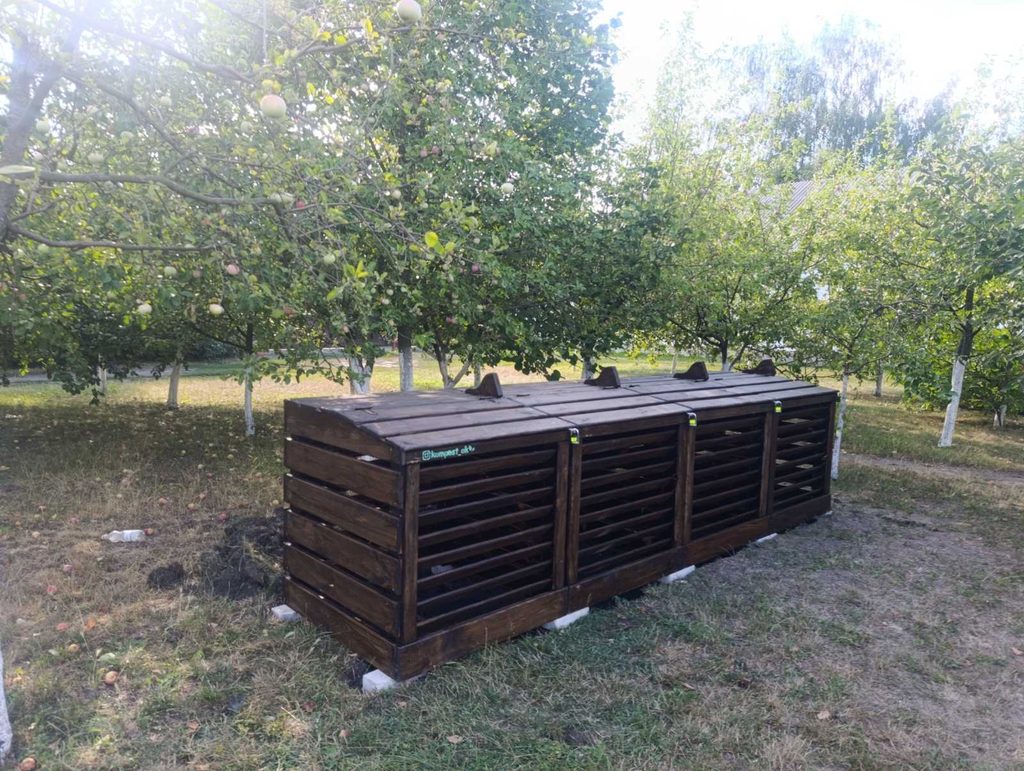
    Municipal and educational institutions in the community are stopping the burning of leaves and plant residues — and composting instead. The compost is returned to the soil, reduces methane emissions, and helps the land retain moisture during increasingly dry years.

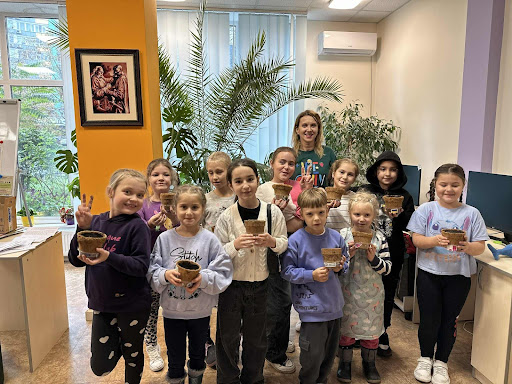
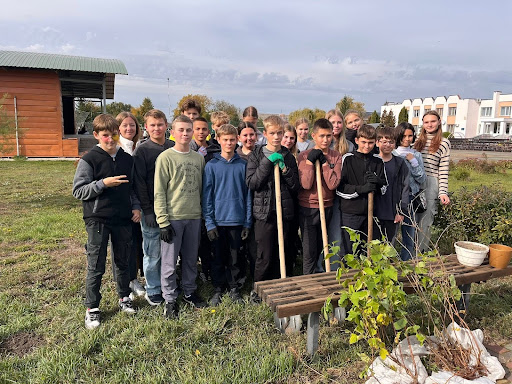
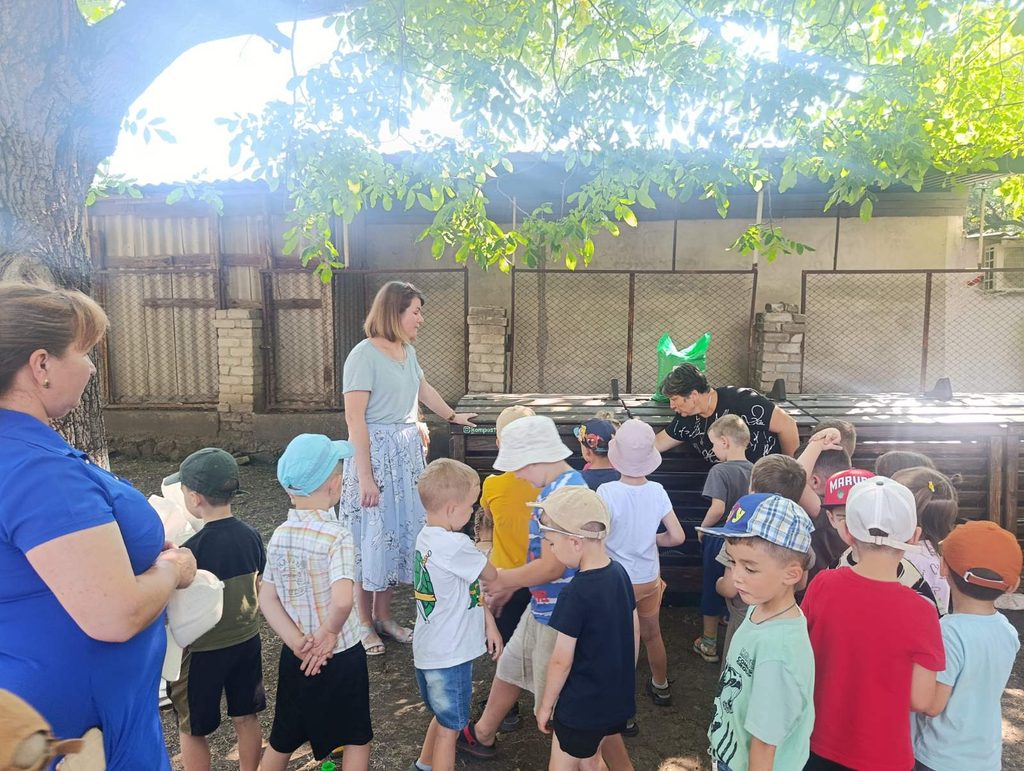
    What has already been done: staff at educational institutions learned how to use a composter, sort organic waste, manage compost, and integrate composting into environmental education. Children learned in a playful way what can be composted, why burning leaves is harmful, and how organic waste becomes useful compost — and tried working with the composter themselves.
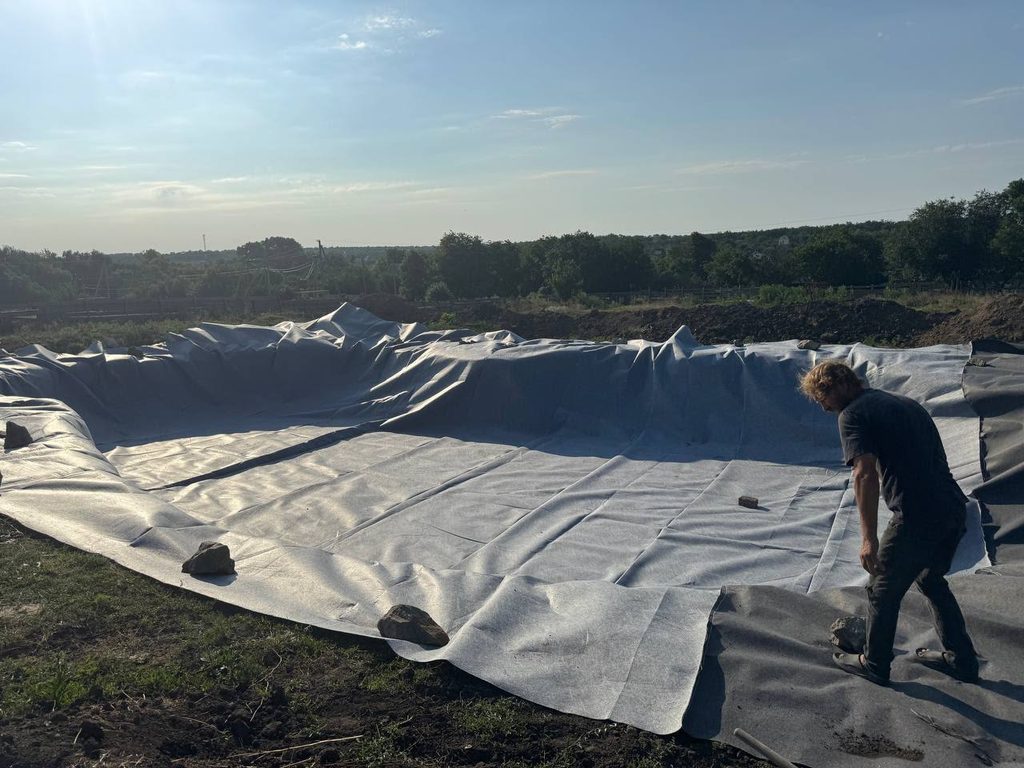
    NGO RC “Zelenyi Hai”

    ADAPTERRA POWER: Autonomy That Gives Communities Resilience
    Zelenyi Hai village, Dnipropetrovsk oblast, NGO RC “Zelenyi Hai”

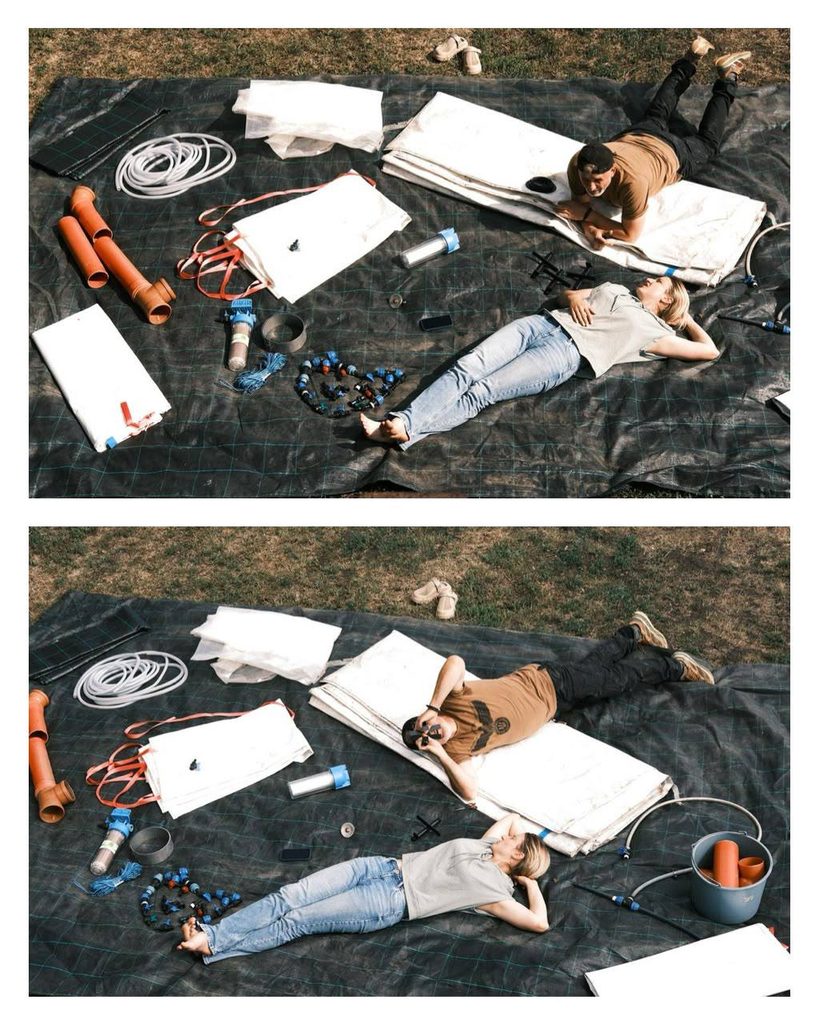
    At the rehabilitation centre, the team is building a closed loop: organic waste goes into a biogas installation, water is purified by a bioplateau system, and new trees protect the territory from dry winds. The model is designed to be adopted by other frontline communities.

    Moving Forward Together

    All ten teams are now actively implementing their projects. We track their progress and work together to find solutions to current challenges, while mentors support the teams and share practical experience. We hold online events together with the teams. At the end of August, a lecture on “How Abnormal Heat Affects the Environment” took place, and a meeting on composting is planned as part of Ukrainian Climate Week.

    The recovery of Ukraine is not only about rebuilding bridges and buildings. It is also about living soils, clean water, steppe and forest — and strong local communities that care for them. That is why we will continue to create opportunities for eco-activists and civil society organisations in frontline regions, so that their projects improve people’s lives right now.

    Follow GreenRoots Hub and our projects:

    LinkedIn: www.linkedin.com/company/greenrootshub/

    Instagram: www.instagram.com/greenrootshub

    Facebook: www.facebook.com/greenrootshub
  • Ukraine Will Hold Its Climate Week for the Second Time: How to Get Involved?

    Ukraine Will Hold Its Climate Week for the Second Time: How to Get Involved?

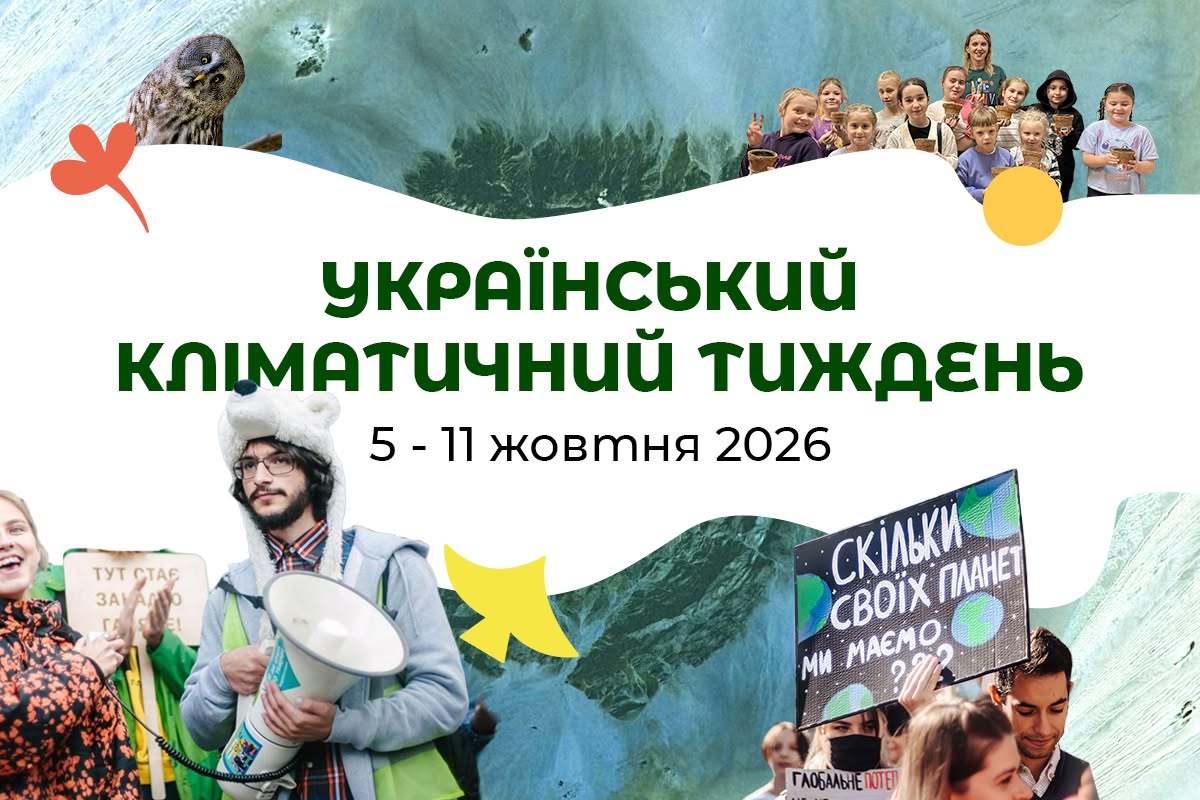
    From October 5 to 11, the Ukrainian Climate Week (UCW) will take place across Ukraine for the second time — a nationwide marathon of events on climate change, community adaptation, energy security, and green recovery. Anyone can become part of it: all you need to do is organise a climate-related event and add it to the UCW network (conditions below).

    A lecture or discussion, an open lesson at school, an eco-game, a film screening, a community clean-up, an exhibition, a workshop, or a campaign — organisers are free to choose their own format. The main requirement is that the event helps spark conversation about the climate crisis and the solutions that can be implemented today.

    This year, the Ukrainian Climate Week centres on the connection between climate change and various aspects of our lives. The organisers aim to show that climate solutions are not only about protecting the environment, but also about energy security, inclusivity, education, and the rebuilding of Ukraine.

    Russia’s devastating war causes massive damage to Ukraine’s environment every day and intensifies climate challenges across the world. At the same time, the decisions Ukraine makes today in the fields of energy, urban and community reconstruction, transport, and natural resource use will determine their resilience for decades to come.

    This is why the UCW organisers are calling on citizens, local authorities, educational institutions, civil society organisations, media, and responsible businesses to join forces.

    “A week of awareness about the climate crisis is not only a practice of democratic countries that we want to make a tradition in Ukraine. It is an opportunity to show how much climate change already affects different areas of our lives, especially in the context of war, which intensifies these challenges. Our main call is to act: to adapt to the changes already taking place, and at the same time to reduce humanity’s impact on the climate.”

    — Anna Talash, Local Initiatives Development Coordinator at Greenpeace Ukraine.

    How to Join the UCW?

    Citizens, civil society organisations and initiatives, local self-government bodies, educational institutions, media, and responsible businesses can all join the Ukrainian Climate Week.

    To participate:

    1. Come up with and organise a climate-related event;
    2. Adhere to the values of the Ukrainian Climate Week — including the principles of non-discrimination, environmental responsibility, and the absence of greenwashing;
    3. Register your event via the Ukrainian Climate Week registration form;
    4. Hold it between October 5–11 in your community or online.

    After registration, your event will become part of the all-Ukrainian marathon.

    About the UCW

    The Ukrainian Climate Week was first held in 2025. That year, approximately 150 events took place across different regions of Ukraine, bringing together more than 5,000 participants. In 2026, the organisers aim to expand the geography of the initiative and involve even more communities, organisations, educational institutions, and local initiatives.

    The Ukrainian Climate Week was founded by pro-climate and environmental civil society organisations: Greenpeace Ukraine, Ecodia, Rozviy, Ukrainian Climate Network, Ukrainian Nature Conservation Group, StarDub, Fridays For Future Ukraine, U-Cycle, and the Holosiivskyi National Nature Park.

    You can register your own event via the UCW form: Register here

    Learn more about the UCW here.

  • More Than Theory: How “Green School” Taught Young People to Change Their City

    More Than Theory: How “Green School” Taught Young People to Change Their City

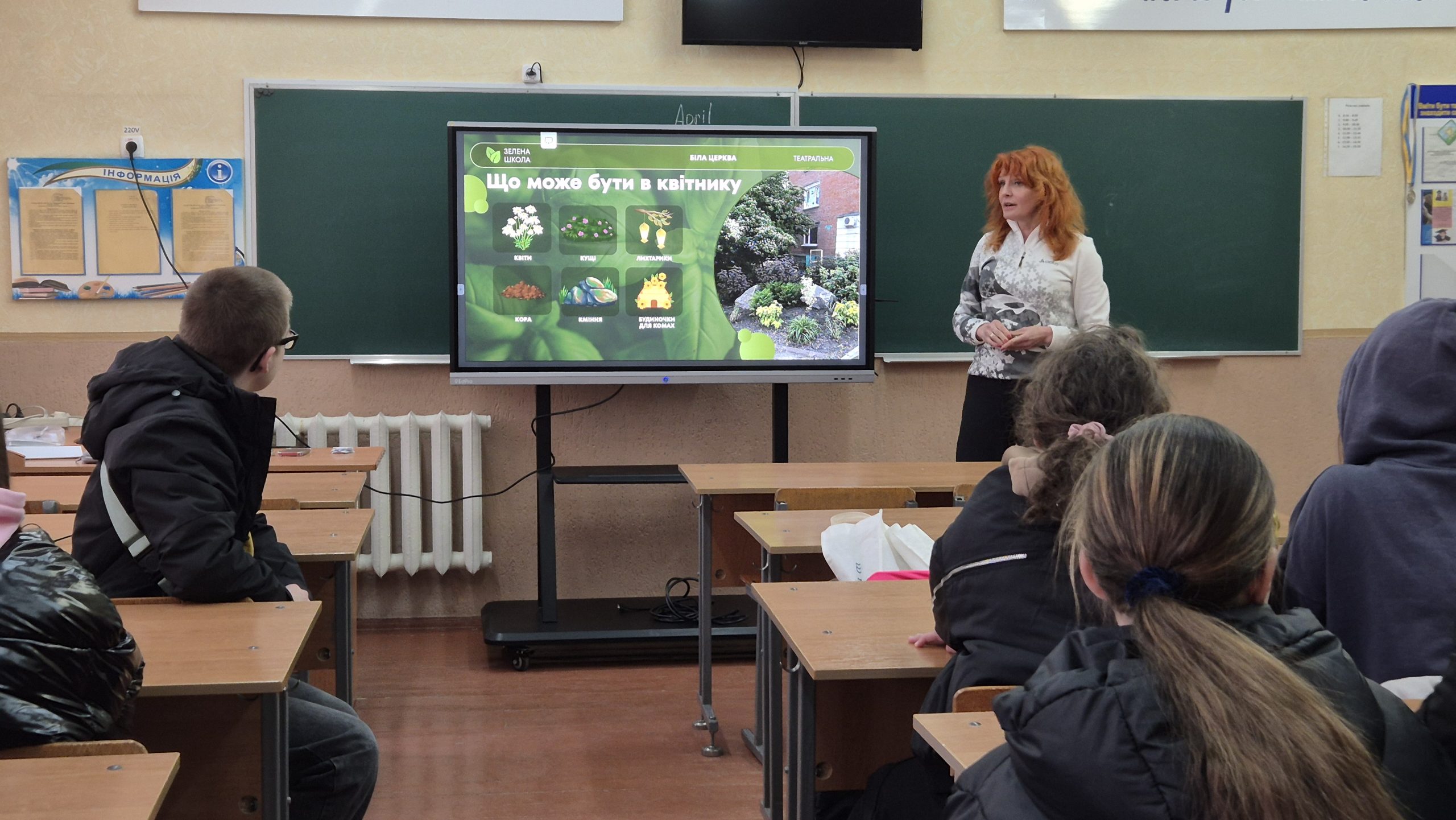
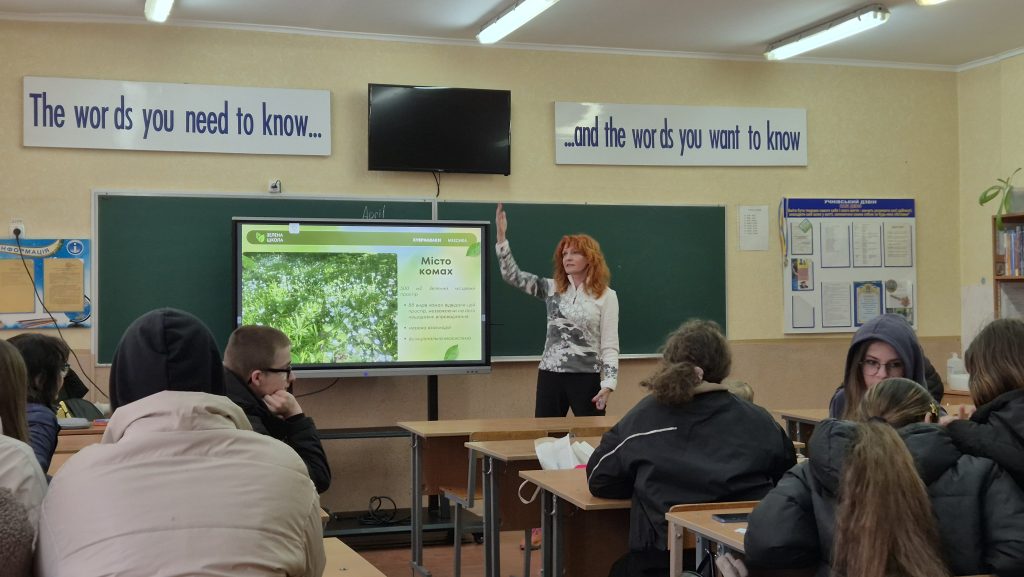
    Schoolchildren today hear quite often about climate change, environmental pollution, and the need to sort waste. But between knowing about environmental problems and understanding what can actually be done in one’s own school, yard, or city, there remains a significant gap. This gap is exactly what the “Green School” project set out to narrow — implemented by the NGO “Krokivnia” in Bila Tserkva. Its core idea: to show young people that eco-friendly habits are a practical tool for working with the urban environment. Project participants talked about the future of Bila Tserkva, learned to compost organic waste, assessed the ecosystem services of green spaces, worked on creating green areas — and in doing so, moved from discussing problems to taking concrete action.

    NGO Krokivnia Training in Bila Tserkva

    What Could Bila Tserkva Look Like in 2050?

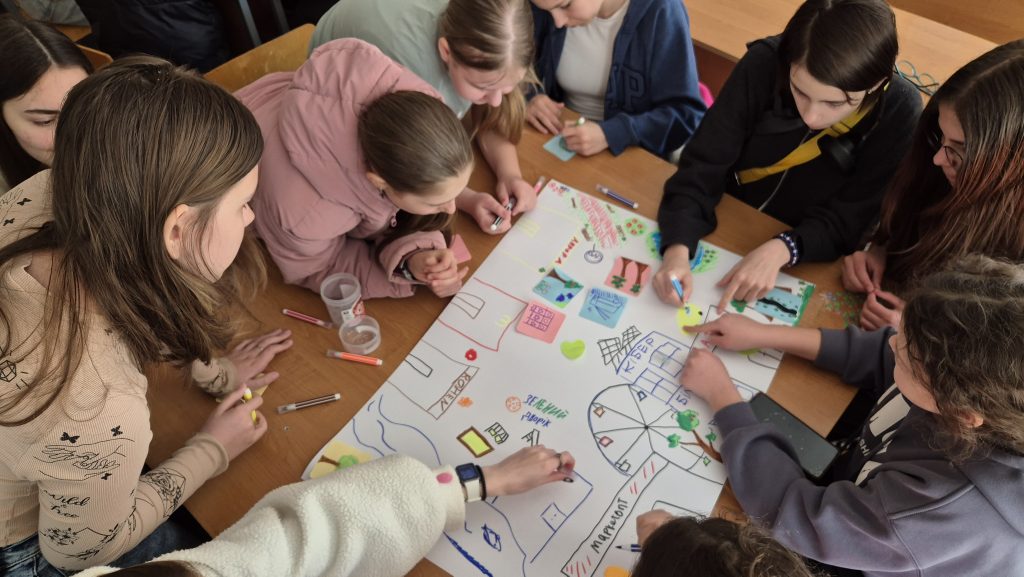
    The project began with a conversation about the city and its future. During a workshop with urban planners Semen Verkhohliadov and Anton Volovych, participants discussed the environmental challenges facing Bila Tserkva: the state of the Ros River, green zones, soils, waste management, transport, and the city’s impact on the environment. But the task wasn’t simply to name the problems. Students formed teams and tried to imagine what Bila Tserkva could look like in 2050 — and what solutions would be needed to make the city more sustainable and comfortable to live in. 

    One of the tasks for the “Green School” participants in Bila Tserkva — to draw what the city of the future will look like

    Among the ideas proposed: natural stormwater management systems, rain gardens, the development of convenient electric public transport, and the preservation and connection of green areas into a unified network. This was participants’ first chance to look at the city not just as residents, but as people capable of influencing what it will become in ten, twenty, or thirty years. It was also important to show that major urban changes are made up of many local decisions — some of which can begin right on school grounds.

    Organic Waste That Doesn’t Become Rubbish

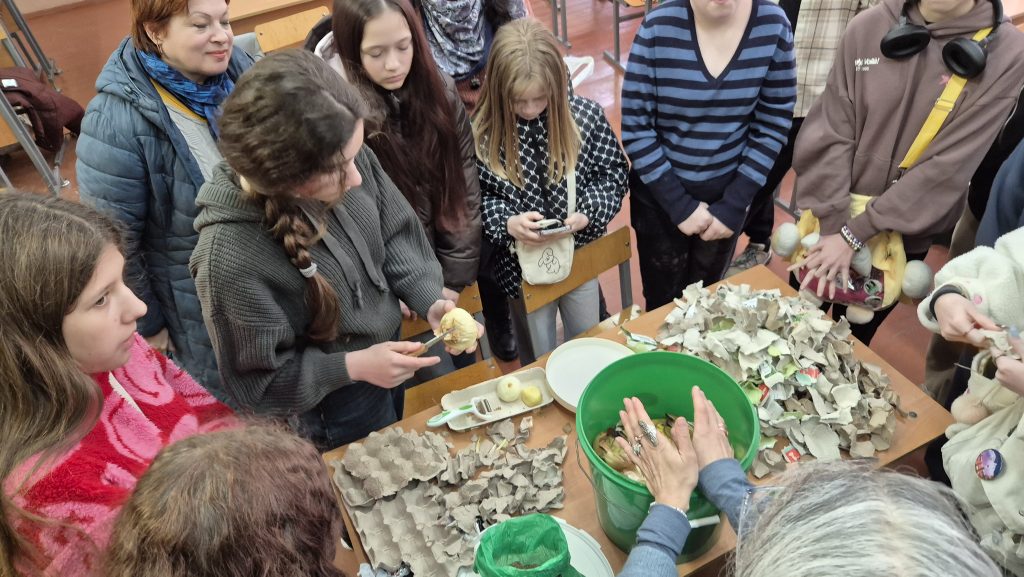
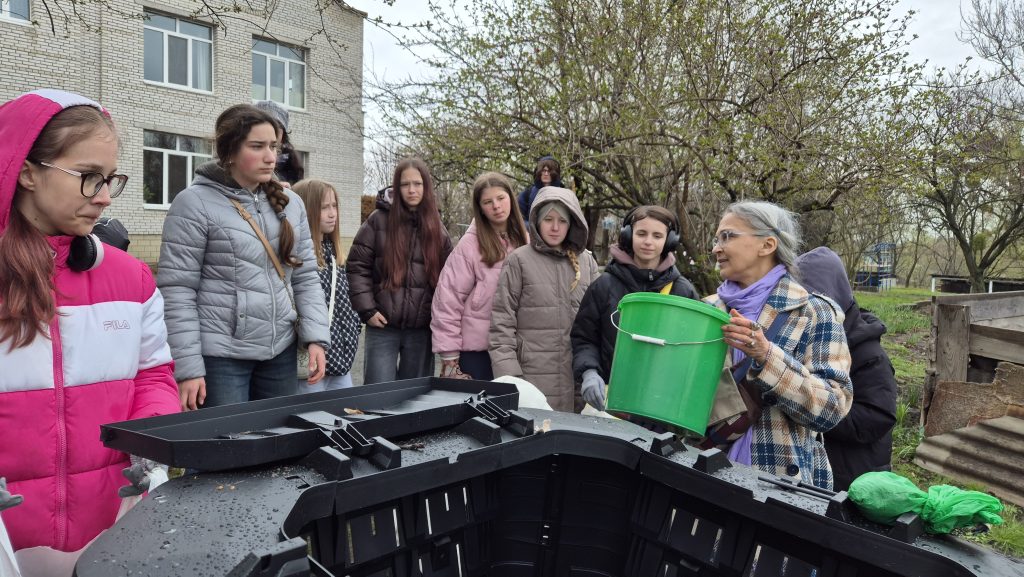
    One such practice was composting. A significant portion of household waste is organic: food scraps, vegetable and fruit peelings, leaves, and other materials of natural origin. When mixed in with other waste and sent to landfills, they lose their chance to return to the natural cycle. During a session with Nataliia Haietska, head of the NGO “Mariupol Zero Waste”, participants explored what happens to organic waste and how it can be handled differently. 

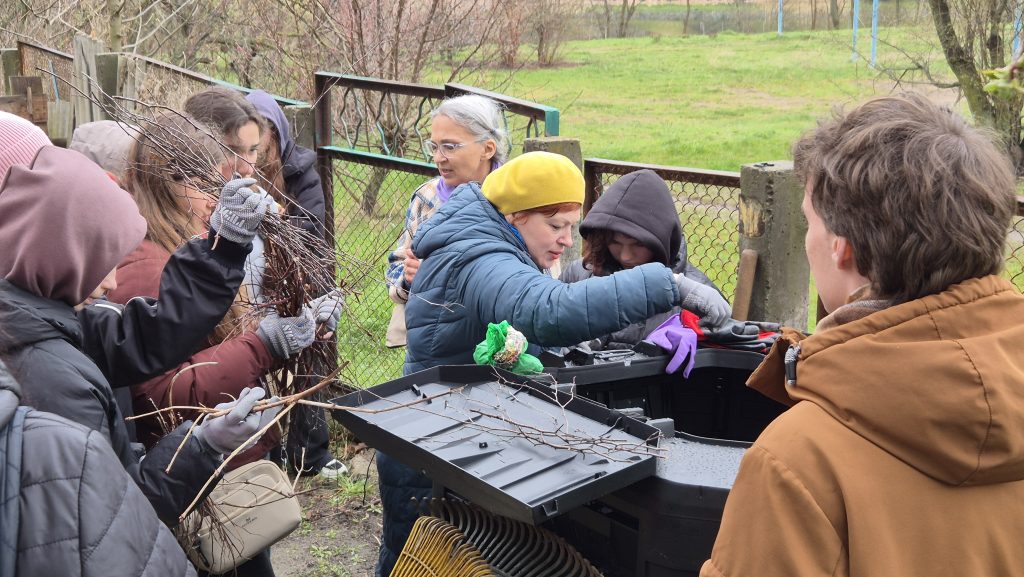
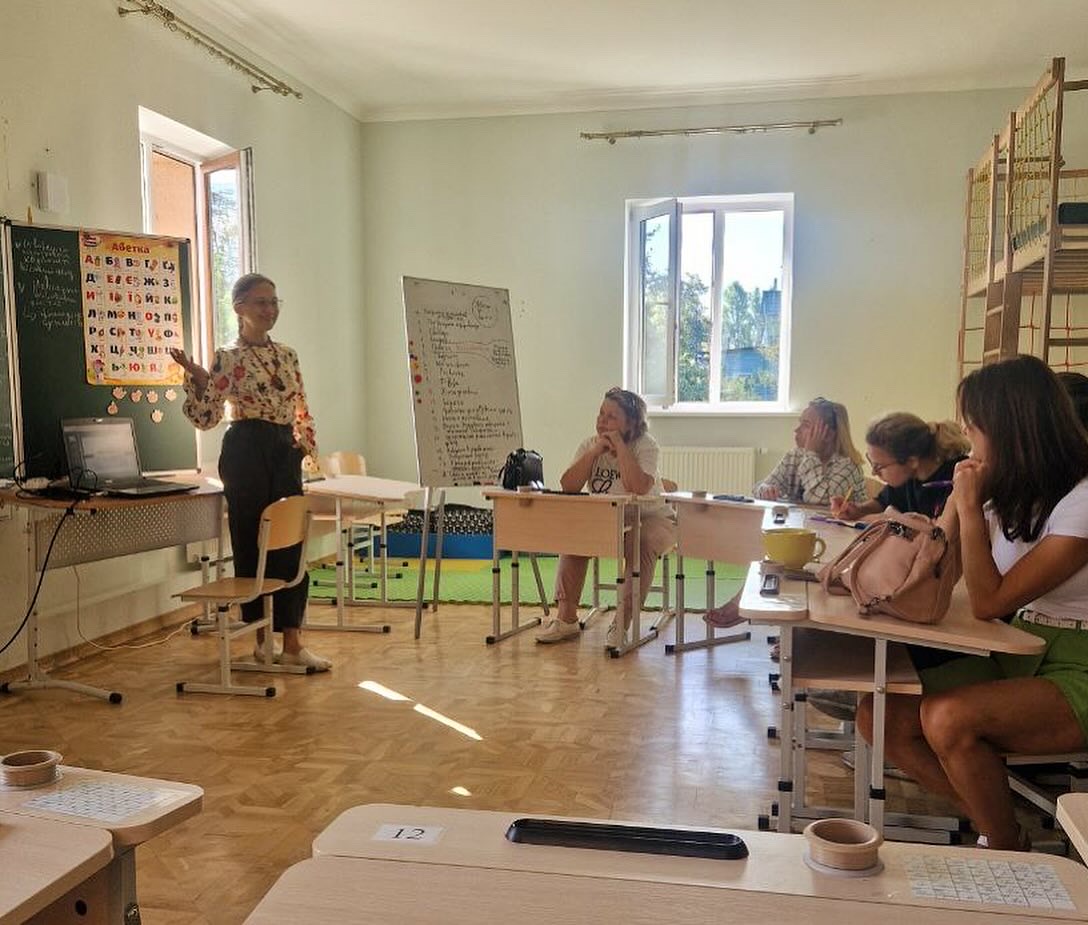
    At the masterclass by Nataliia Haietska, NGO “Mariupol Zero Waste”

    Students learned about various composting methods, including the use of EM buckets and bokashi, and after the theory moved on to practice — launching outdoor composting on the grounds of a preschool education facility. It is a small intervention, yet one that clearly illustrates the principle of circularity: what is usually seen as rubbish can become a resource.

    Outdoor composting with Nataliia Haietska

    Organic waste doesn’t need to be taken to a landfill — after composting, it becomes material that can be used to tend flower beds and other green spaces. For an educational institution, it is also an opportunity to turn an eco-practice into an ongoing learning process: students can observe it, maintain the composting, and see its results right on their own grounds.

    Nataliia Haietska’s talk on outdoor composting

    A Tree as Part of Urban Infrastructure

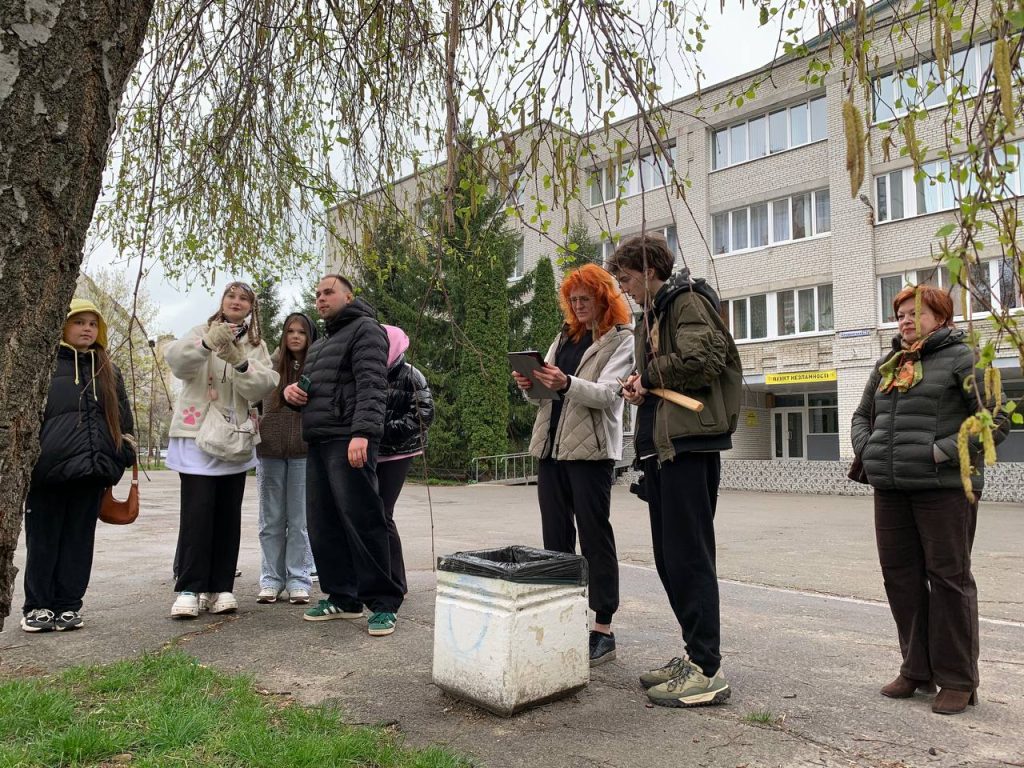
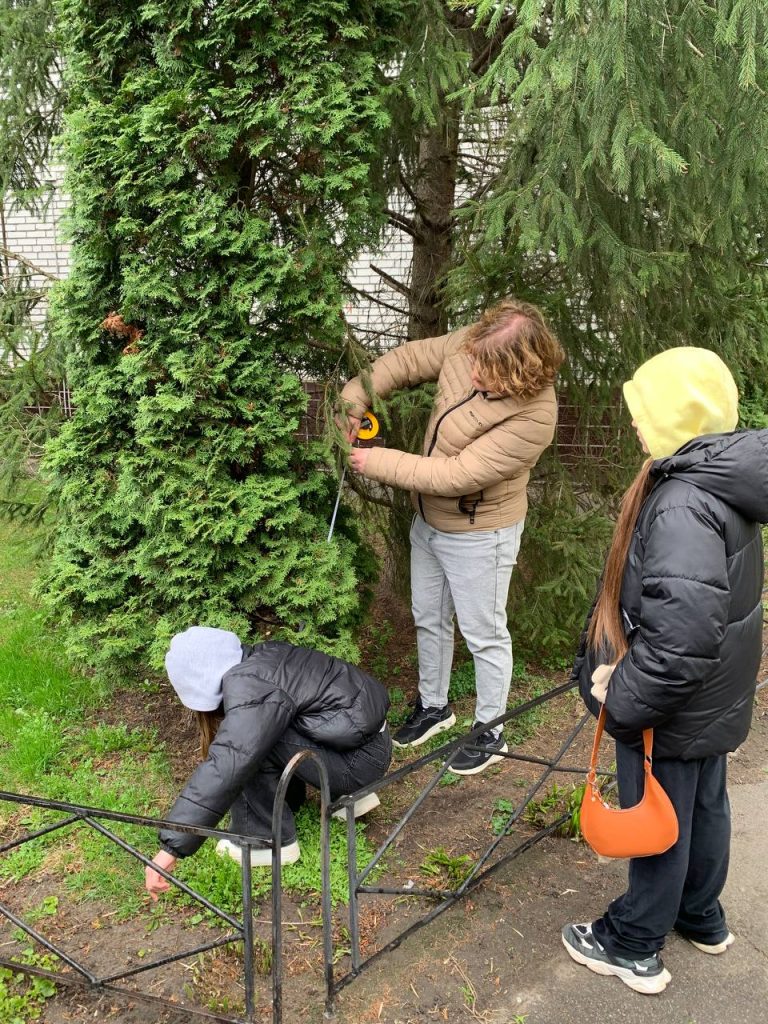
    Another module of “Green School” focused on urban trees. Their value is usually hard to see in numbers. A tree provides shade, retains water during rainfall, absorbs carbon and pollutants, lowers the surrounding temperature, and creates a more comfortable urban environment. Yet most of these functions remain nearly invisible to people. Together with geographer Mykola Stavnychyi, participants learned to assess trees and the ecosystem services they provide.

    На лекції Миколи Ставничого про міські дерева

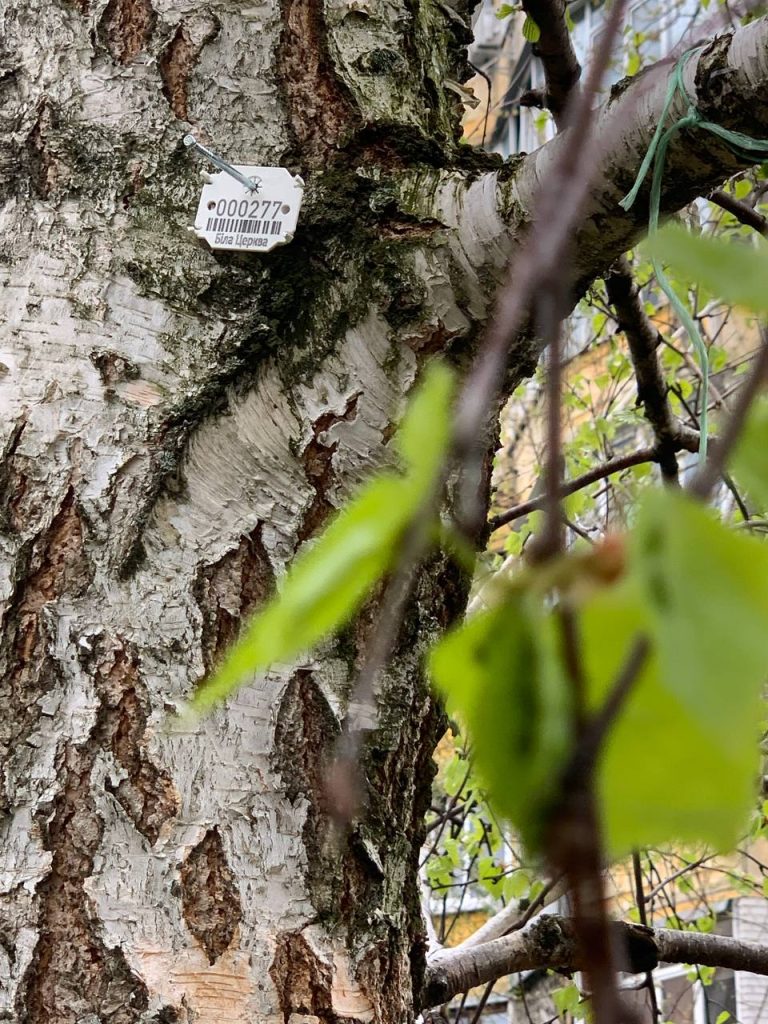
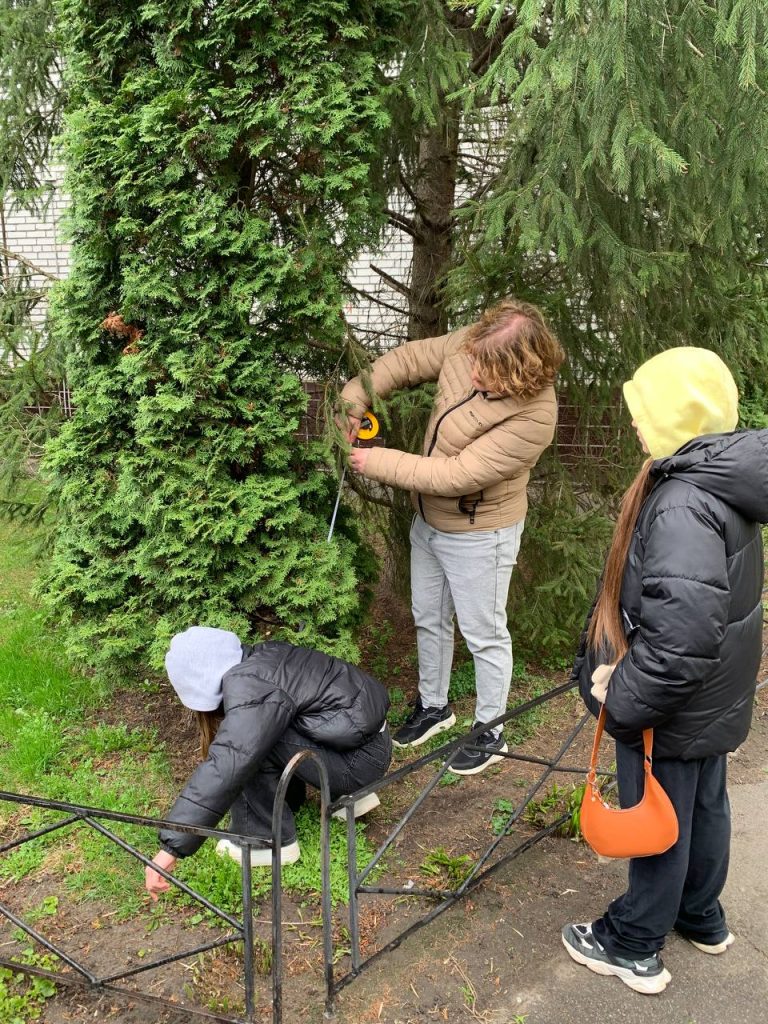
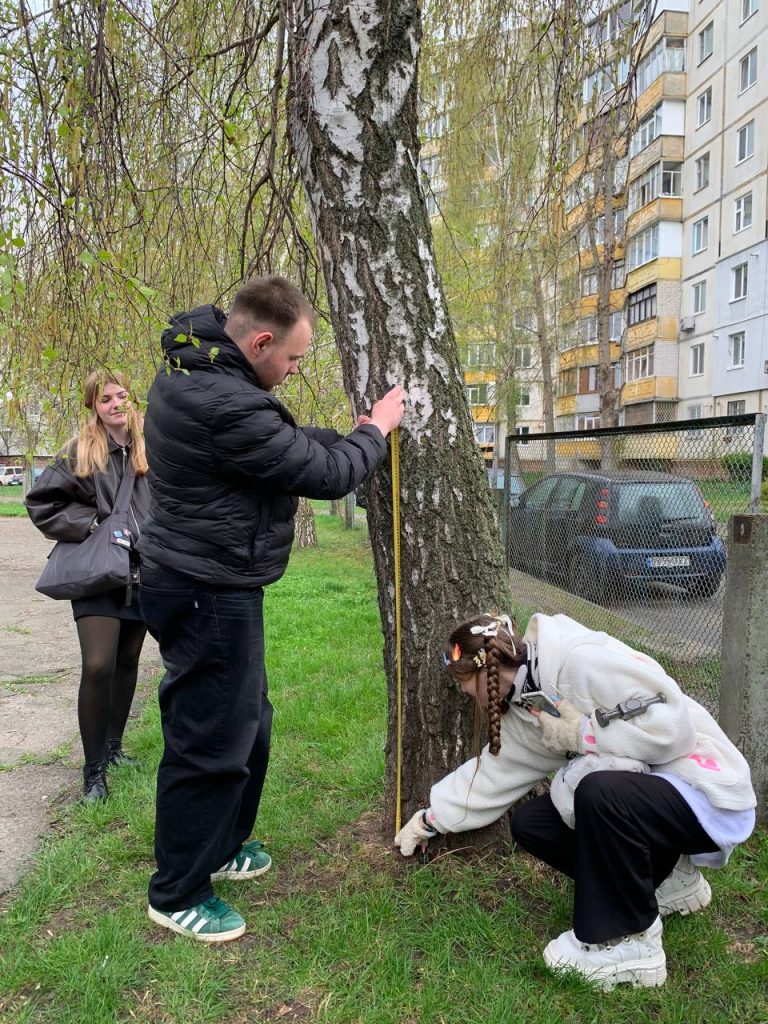
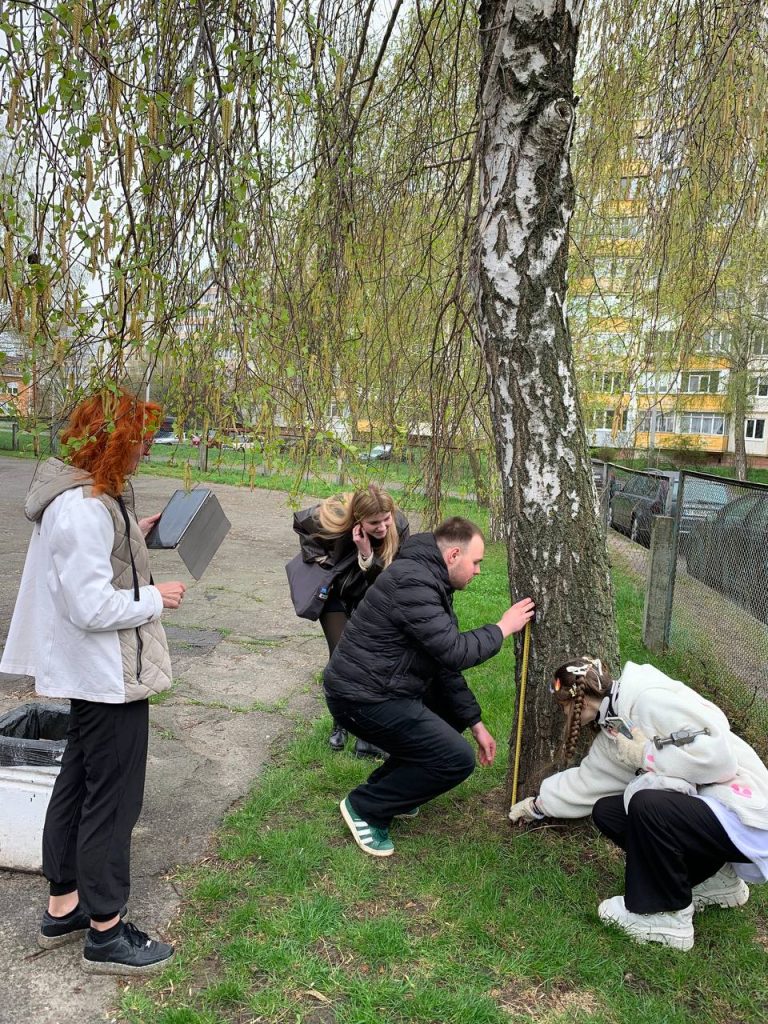
    Students went out onto the school grounds and began working as researchers: identifying tree species, measuring trunk and crown parameters, and entering the data into i-Tree tools. Such calculations allow for an approximate estimate of how much rainwater a tree can retain, how much carbon it stores, and what contribution it makes to air purification. 

    And this changes the way we perceive it. A tree is both an element of landscaping and a part of urban green infrastructure that performs entirely measurable work every day.

    From Knowledge to Their Own School Space

    “Green School” is structured so that every topic has a practical follow-up. The project therefore didn’t limit itself to lectures and workshops. Its outcomes are also meant to include physical changes on the grounds of educational institutions. Alongside composting, participants worked on creating and developing green spaces.

    Environmental arrangement

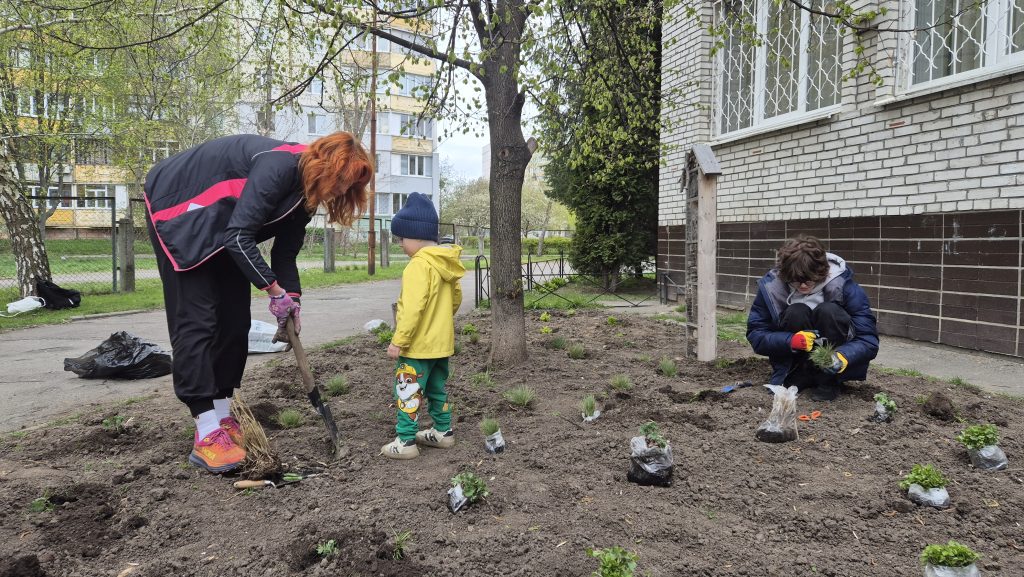
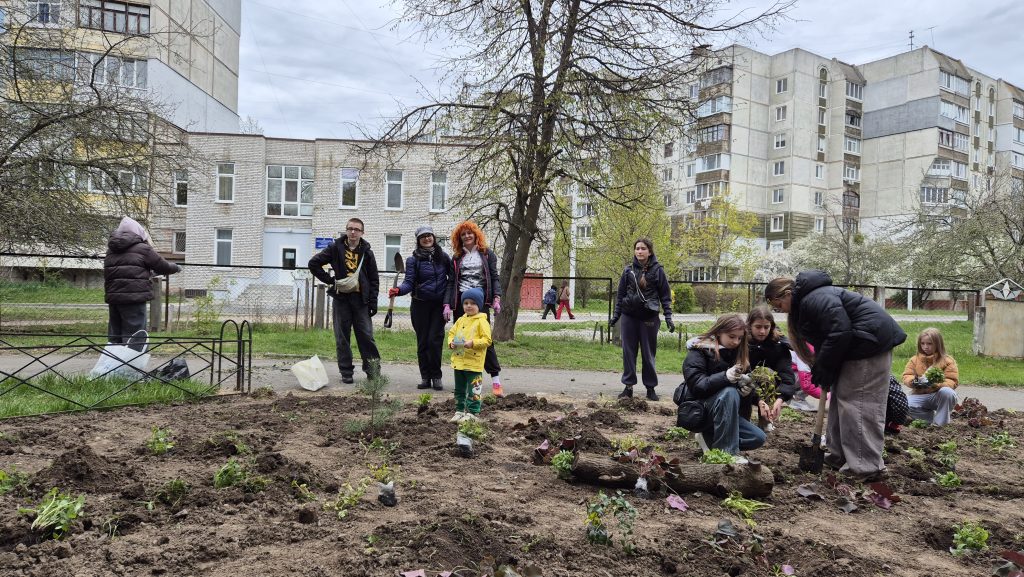
    Flower beds with perennial plants and an insect hotel for pollinators appeared in the school yard. The school is gradually becoming a kind of open-air laboratory — a place where one can hear about biodiversity, climate adaptation, or the circular use of resources, and see these principles at work in real life. Aliona Kolotnytska, founder of the MBF “Misto Park”, who works on issues of quality urban environments and community involvement in their development, also joined the work with young people. Students thus had the opportunity to speak with people who work with urban planning, ecology, waste, data, and public spaces in their professional lives.

    Lecture on environmental arrangement

    What Comes After the Project Ends?

    One of the key principles of “Green School” is to create results that don’t disappear immediately after the final workshop. Composters and new green elements created by participants during the practical sessions remain on the grounds of the educational institutions. Teachers will be able to continue using the experience gained with other students. But no less important is what remains in the participants themselves. 

    Over the course of the project, they journeyed from discussing global environmental problems to working with a specific tree, a composter, and a piece of their school yard. And this is the core idea of “Green School”: to show that change in a city doesn’t always begin with large budgets and large-scale programmes. Sometimes it begins with a simple question: what can we change here and now? The Krokivnia team is working to ensure that the “Green School” project continues, making it possible to engage even more young people and spread awareness of even more topics related to the sustainable development of our communities. You can access materials and learn more about the project here: https://www.krokivnia.org/projects/greenschool Publication prepared by: Anton Volovych, urban planner, NGO “Krokivnia” Follow the Instagram page: https://www.instagram.com/krokivnia

    Zeleny Val 19.08.2026

  • Eco-activism as a way of life: the story of Nataliia Haietska from Mariupol about zero waste, community, and the power of action

    Eco-activism as a way of life: the story of Nataliia Haietska from Mariupol about zero waste, community, and the power of action

    Eco-activism rarely begins with grand plans. More often, it starts with a personal sense of injustice, attentiveness to simple things, and an inner need to act.

    This is the story of Nataliia Haietska — head of the NGO “Mariupol Zero Waste,” coordinator of the “Climate and Environment” direction at the BO “Boyarka Community Foundation,” and a mentor in the Green Val Mentorship Program 2026.

    She is originally from Mariupol and has worked for many years on the topics of zero waste, composting, and biodiversity — even despite the war, losses, and her team being scattered across different countries.

    From a feeling of pain to conscious action

    Nataliia’s environmental sensitivity emerged back in her youth.

    “I literally felt pain over people poisoning nature and their immediate surroundings.”

    Generation-defining events also played an important role — particularly Chornobyl, which Nataliia experienced at the age of 16, and the industrial impact of the Donetsk region. But her conscious path into the eco-movement began much later:

    “I consciously and purposefully entered the eco-movement at the age of 48.”

    How it all began: from recyclables to a public initiative

    The first step was extremely practical — finding where to bring recyclables.

    “I was simply looking for where to hand in recyclables… and within six months I became the head of an initiative group.”

    This is how Nataliia joined the “Mariupol Sorts” initiative, which later grew into work on eco-projects and educational programs. Over time, the initiative group grew into an NGO, which was officially registered in Lviv during the full-scale war.

    War, dispersion, and shared values

    After 2022, the team found itself scattered across different countries but did not lose touch.

    “We’re not a business, and we had nothing to physically relocate… it’s difficult.”

    Despite this, they remain united by shared experience, values, and memories of Mariupol.

    “What keeps us together are values, memories, and even the shared pain over the loss of our half-a-million city.”

    Why it’s impossible to stay silent about the environment, even during war

    For Nataliia, environmental issues didn’t fade because of the war — on the contrary, they became even more urgent.

    “I can’t imagine anything that would make me stay silent about this. The fight for the environment is, in fact, a fight for life.”

    She emphasizes that environmental problems don’t disappear during crises — they only intensify.

    Eco-activism as part of life

    For Nataliia, environmental principles aren’t a separate activity but a way of life.

    “If these are truly your values, then they show up in everything.”

    She sorts waste, composts, uses eco-friendly products, and teaches others to do the same — not as theory, but as her own everyday practice.

    Nature as a source of inspiration

    “Nature itself inspires me — how nothing in it is wasted, everything benefits living creatures.”

    Composting in particular became a key theme for her, as the practice closest to natural cycles.

    A community that changes the scale of impact

    An important stage was getting to know the broader eco-community, particularly through educational programs and meetings.

    “Often we can be literally right next to each other and not know it.”

    “‘Your’ people are everywhere.”

    Burnout and how to overcome it

    Nataliia speaks openly about difficult periods in activism — exhaustion, feeling undervalued, and even depression. She says that spending time in nature often saved her. Among the simple but effective ways to recover, she mentions contact with nature, small everyday tasks, and supporting herself:

    “Tell yourself after every action: you did well. Because you’re the only you you’ve got.”

    The future: composting as a new norm

    In the long term, Nataliia sees composting becoming a basic practice at three levels:
    👉household/yard composting
    👉apartment composting
    👉permaculture composting

    Nataliia is highly motivated:

    “I won’t rest until everyone around me starts composting.”

    Supporting others and the power of small steps

    For those just starting out with their initiatives, her advice is simple:

    “Don’t rush. Look for your people. Learn from nature: until a seed has the right conditions, it won’t sprout.”

    Looking back on the start of her own journey, Nataliia says:

    “You have definitely ended up exactly where you needed to be.”

    You can learn more via the link below about the composter-sofa created during the Green Val Mentorship Program 2025 under Nataliia Haietska’s guidance:
    https://www.instagram.com/reel/DV0fY9KjO5A/?igsh=MXV0NGRqbHJrcTFjNA==

    Publication prepared by: Nataliia Haietska, NGO “Mariupol Zero Waste.”
    Follow the Instagram page: https://www.instagram.com/mariupol_zero_waste/

  • Interactive lessons on climate change adaptation for students of different ages. Download and use!

    Interactive lessons on climate change adaptation for students of different ages. Download and use!

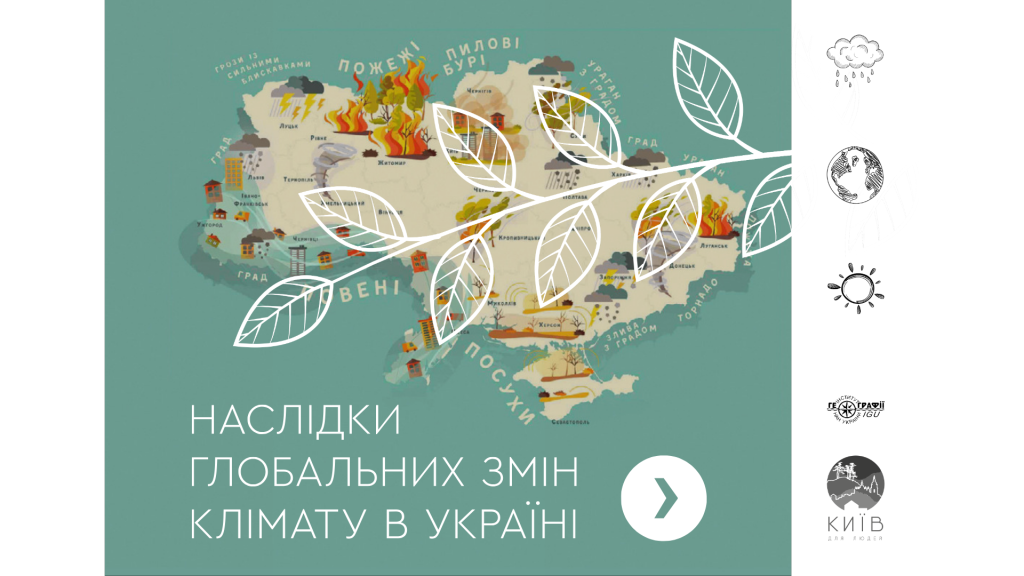
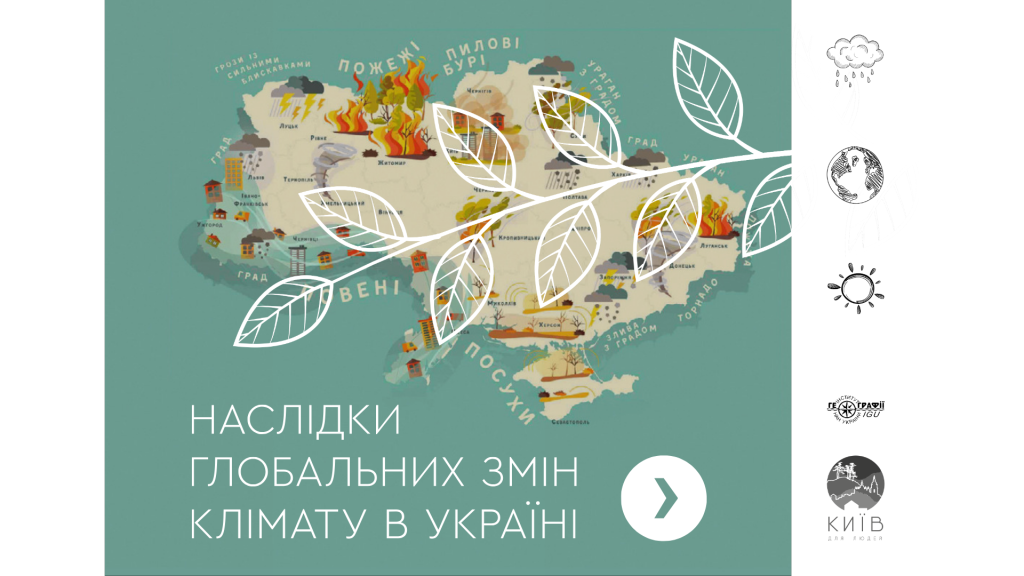
    Over three months, the NGO KYIV FOR PEOPLE, in collaboration with the Institute of Geography of the National Academy of Sciences of Ukraine, developed an interactive educational course on the topic: “The Climate is Changing — Learning to Adapt.”

    With the support of a grant from Greenpeace Ukraine, we were able to involve talented designers in the project, who brought the scientists’ ideas to life and created vibrant visual materials.

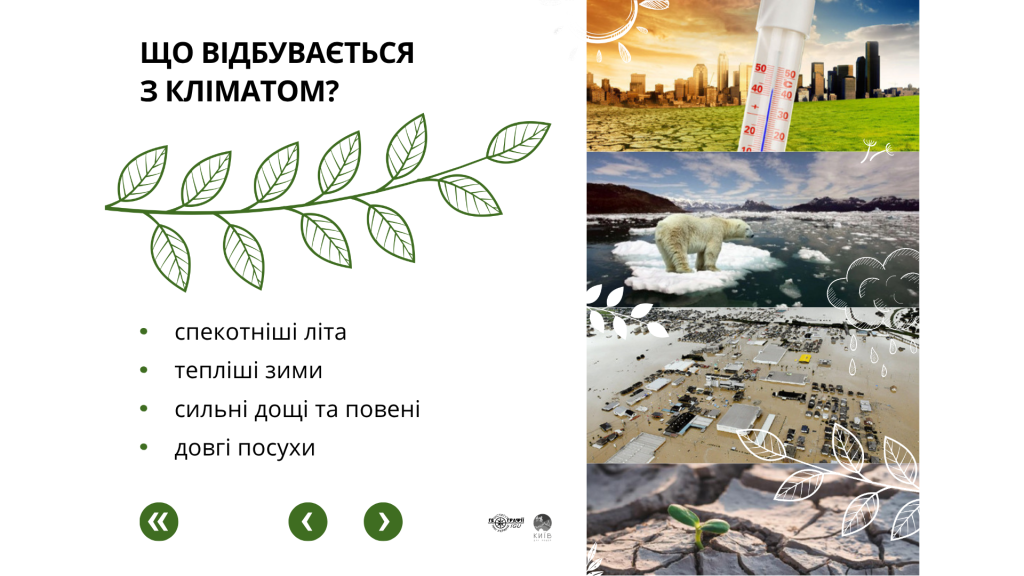
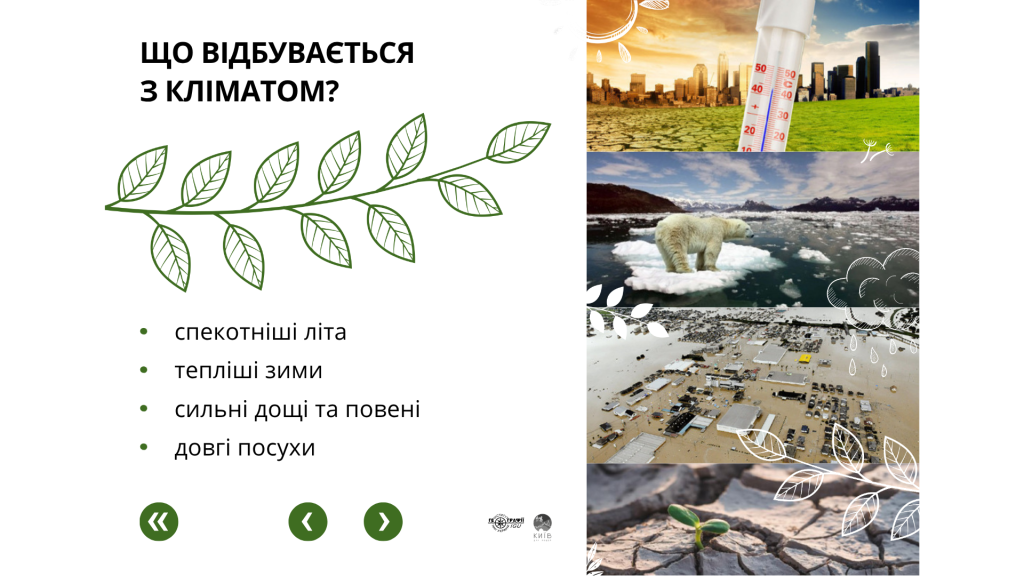
    The result of our collaboration was two handbooks and three presentations containing interactive educational materials on the topic of Climate Change Adaptation. They are designed for students of different ages and teachers. They help to understand how climate change is already affecting our lives. They explain the causes of global warming, the consequences for nature and people, and also show why it is important not only to reduce greenhouse gas emissions, but also to learn to adapt to the climate crisis.

    The materials include examples of adaptation by cities and communities both in Ukraine and in other countries around the world, making the topic relevant and understandable for students. The handbooks contain practical tips on saving water and energy, preserving green spaces, and staying safe during heatwaves, floods, or storms. The presentations help students develop critical thinking, analyze environmental information, and find their own solutions for their school or community. Special attention is paid to fostering environmental responsibility and teamwork.

    The materials are adapted for different age groups and can be used in lessons, clubs, or extracurricular activities. They combine scientific facts with real-life examples and interactive tasks, motivating students to take action. As a result, students gain the knowledge and skills that will help them better prepare for the challenges of the future and take care of the environment today.

    An interesting addition to each presentation is an active link to video materials and printed publications on the topic of Climate Change Adaptation, adapted according to age. Interactive tests, role-playing games, and learning exercises are also available.

    The materials can be accessed at: https://drive.google.com/drive/folders/1CZMCaWsEOUZdg3czgp35eg1XRDWT6Zzs

    Publication prepared by: Maryna Antoshchuk, NGO KYIV FOR PEOPLE

    Join the Facebook group: https://www.facebook.com/groups/346082863415116/

  • Ukrainian Climate Week 2025: Hundreds of Initiatives from Polissia to Kherson United the Country Around Climate Action

    Ukrainian Climate Week 2025: Hundreds of Initiatives from Polissia to Kherson United the Country Around Climate Action

    Over 5,000 participants from 23 regions of Ukraine took part in the first-ever Ukrainian Climate Week 2025 (UCW) — a nationwide initiative that brought together communities, educational institutions, civil society organizations, nature conservation bodies, and artists around a shared goal: protecting nature and taking action for the climate.

    UCW events took place in more than 75 cities and towns, including Kyiv, Lviv, Kharkiv, Poltava, Cherkasy, Lutsk, Kropyvnytskyi, Kherson, Mykolaiv, Nikopol, Pavlohrad, Kramatorsk, Berezivka, Hlukhiv, Volodymyr, Shyshaky, Kozacha Lopan, Kaniv, and others. Communities from frontline and shelling-affected regions also joined — Donetsk, Kherson, Zaporizhzhia, Sumy, Mykolaiv, and Dnipropetrovsk oblasts. In these communities, the activities had not only an educational effect but also a therapeutic one — reminding people that caring for nature and the climate is an act of resilience and belief in the future.

    “We felt that it works. Ukrainian Climate Week brings people together around a shared purpose,” said the organizers from the civic initiative enwar_mental.

    Scale and Diversity of Events

    Throughout the week, more than 150 events were held — from ecology lessons in schools and creative workshops to scientific conferences and climate discussions at universities. The most active regions included Sumy, Poltava, Kyiv, Kharkiv, Kirovohrad, Dnipropetrovsk, and Kherson oblasts.

    Activity formats included:

    • Educational events — interactive lessons, eco-classes, climate games
    • Community actions — tree planting, clean-up campaigns, art projects
    • Scientific gatherings — student meetups, conferences, panel discussions
    • Arts initiatives — exhibitions, eco-art, video projects
    • Online webinars and information campaigns

    “This is a powerful initiative! Ukrainian Climate Week is a strong tool for consolidating the efforts of everyone who cares about the climate,” said the authors of the Eco Art Project “Terra Anima.”

    Strong Communities, Strong Climate Action

    UCW demonstrated that even amid war, Ukrainian communities retain their energy, creativity, and capacity to act together. Particularly striking was the participation of educational and youth organizations in frontline communities — from Kramatorsk to Nikopol — where the daily dangers of Russian aggression did not stop people from holding eco-classes, campaigns, and lectures.

    Ukrainian Climate Week

    “Events like these build environmental awareness and teach people to treat their surroundings with responsibility,” concluded teachers from Kremenchuk Lyceum No. 30 “Olimp.”

    “I was moved by the unity around this topic. There is hope that real change is possible,” said the coordinator of the Energy Efficiency Center in Mykolaiv.

    What’s Next

    Participants are calling for Climate Week to become an annual event. Plans include expanding inter-regional partnerships, building a unified network of communities, schools, and universities acting together for the climate. Ideas for 2026 include roundtables with scientists, joint community actions, new educational materials, and a unified events program.

    “Even under the most difficult conditions of war, Ukrainian communities demonstrate the power of solidarity, care for the environment, and readiness to act for the future,” the UCW organizers emphasized.

    Ukrainian Climate Week 2025 is an initiative that united hundreds of communities, schools, organizations, and activists across the country. Its goal is to raise awareness of the climate crisis and consolidate efforts to address it. This was the first event of its kind in Ukraine, and it aims to become an annual tradition.

    The next Ukrainian Climate Week will take place October 5–11, 2026.